Perimenopause or Menopause? How To Tell

Perimenopause or Menopause? How To Tell

Menopause occurs at a single point in time, and is not a phase. It is defined as the day you have gone 12 consecutive months without a menstrual period, and it can only be identified looking backward. Everything leading up to that point is perimenopause, and everything after it is postmenopause. Understanding which stage you…

Why Migraines Get Worse During Perimenopause

Why Migraines Get Worse During Perimenopause

Migraine is a neurological condition, not just a bad headache, and it is strongly influenced by estrogen. That connection explains something many women in their 40s notice with frustration: migraines that were once predictable start occurring more often, last longer, and respond less reliably to the medication that used to work. Some women get their…

MFM-Led Care Model Outperforms County, State, and National Benchmarks

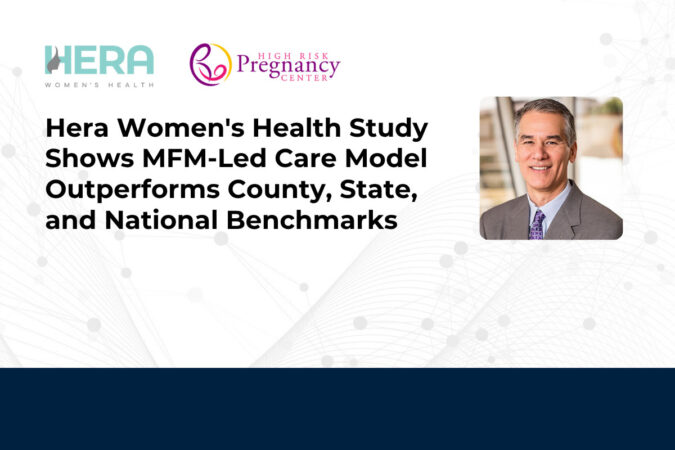
Hera Women’s Health Study Shows MFM-Led Care Model Outperforms County, State, and National Benchmarks

Hera Women’s Health announced the publication of a new article in the American Journal of Perinatology describing an MFM-led care model that positions maternal-fetal medicine subspecialists as system-level clinical architects across the organization’s obstetric network. The article, authored by Dr. Brian K. Iriye and Dr. Manijeh K. Kamyar, reports outcomes from more than 3,500 annual…

Foods to Avoid in Pregnancy (and What's Actually Fine)

Foods to Avoid in Pregnancy (and What’s Actually Fine)

Food safety guidance during pregnancy exists for two reasons: certain infections cross the placenta, and certain contaminants affect fetal brain development. Pregnancy changes your immune system in ways that make you more vulnerable to foodborne illness. The CDC estimates pregnant women are about 10 times more likely than the general population to get listeriosis, an…

Foods for a Healthy Vagina: What Helps?

Foods for a Healthy Vagina: What Helps?

Vaginal health depends heavily on a bacterial ecosystem called the vaginal microbiome. In most women, a healthy vaginal pH is between 3.8 and 4.5. That acidity is what discourages the overgrowth of yeast and the bacteria involved in bacterial vaginosis. Diet is one of several factors that influence this system, alongside hormones, medications, and hygiene…

Why Are My Bones Getting Weaker With Age?

Why Are My Bones Getting Weaker With Age?

Bone loss is a gradual condition where bone tissue dissolves faster than the body builds new bone. For women, this process speeds up significantly during the years around menopause, when estrogen levels drop. Estrogen plays a key role in protecting bone density, so when it declines, bones can become thinner and more fragile. The good…

What Happens When Labor Is Induced?

What Happens When Labor Is Induced?

If your obstetrician has mentioned labor induction, you probably have questions. Labor induction is the process of using medical techniques to start labor before it begins on its own. It is one of the most common procedures in obstetrics, and understanding why it happens and what it involves can help you feel more prepared as…
What Are My Options for a Natural Birth?

What Are My Options for a Natural Birth?

Many expecting parents want to know what choices they have when it comes to how they labor and deliver. Beyond the standard hospital experience, there are a number of alternative labor options that can help you feel more comfortable, more in control, and more connected to the birthing process. Understanding your options is the first…
What is Placenta Previa?

What is Placenta Previa?

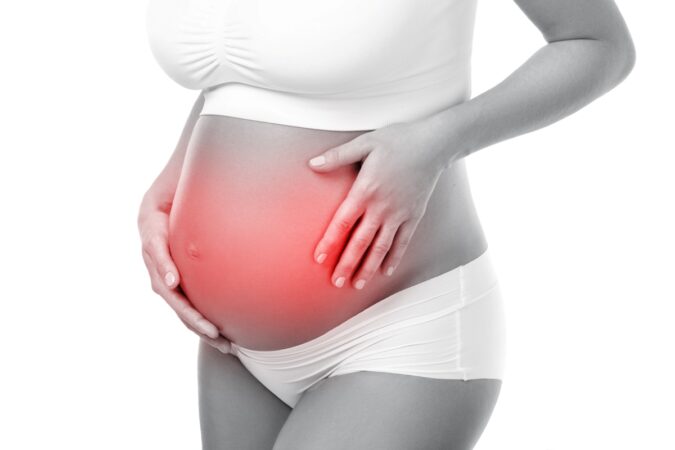
Placenta previa is a pregnancy condition where the placenta partially or completely covers the opening of the cervix. The cervix is the lower part of the uterus that connects to the birth canal, so when the placenta sits too low, it can block the baby’s path for delivery. Placenta previa is found in roughly 1…

Why Is My Period Heavy? When to Seek Help

Why Is My Period Heavy? When to Seek Help

Heavy menstrual bleeding, known medically as menorrhagia, is more common than many women realize. It goes beyond just having a heavier-than-average flow. Menorrhagia means bleeding that soaks through a pad or tampon every hour for several hours, passing blood clots larger than a quarter, or needing to use double protection just to get through the…

When Should You Start Counting Baby Kicks?

When Should You Start Counting Baby Kicks?

Feeling your baby move is one of the most exciting parts of pregnancy. Those little flutters, rolls and kicks are more than just sweet moments. They’re actually one of the best ways to check in on your baby’s health between prenatal visits. Fetal movement tracking, sometimes called “kick counts,” is a simple method that helps…

Preterm Labor: Warning Signs and Prevention

Preterm Labor: Warning Signs and Prevention

Preterm labor is defined as labor that begins before 37 weeks of pregnancy. It involves regular uterine contractions that cause the cervix to thin or open earlier than expected. Not every episode of early contractions leads to an early delivery, but preterm labor always deserves prompt evaluation because babies born too early can face serious…

What Are Uterine Fibroids?

What Are Uterine Fibroids?

Uterine fibroids are noncancerous growths that develop in or on the uterus. They are extremely common, affecting up to 80% of women by the age of 50, and many women have them without ever knowing. For others, fibroids can cause heavy periods, pelvic pressure, pain, or fertility concerns that can interfere with daily life. Because…

Do I Have a Vaginal Infection? What to Know

Do I Have a Vaginal Infection? What to Know

Vaginal infections are among the most common reasons women seek care from an OB/GYN. Yeast infections, bacterial vaginosis (BV), and sexually transmitted infections (STIs) can all cause itching, burning, discharge changes, and irritation. The challenge is that their symptoms overlap significantly, which makes self-diagnosis unreliable and self-treatment risky. Getting the right diagnosis matters because each…

How to Get Relief From Morning Sickness

How to Get Relief From Morning Sickness

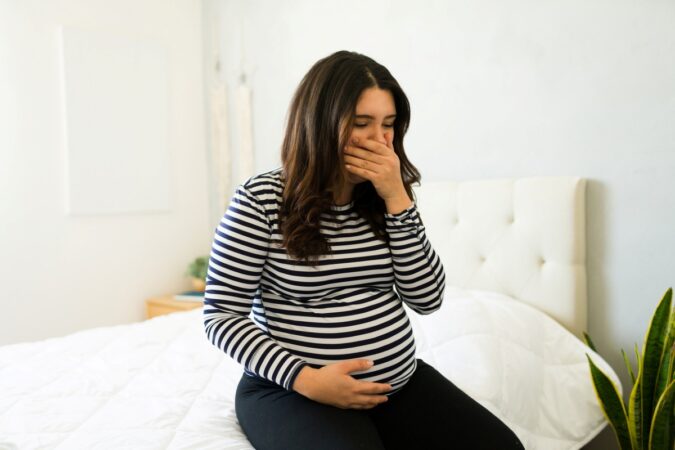
What causes morning sickness? Several hormonal and physical changes contribute to pregnancy nausea. Rising levels of human chorionic gonadotropin (hCG) and estrogen play a major role. New research shows that morning sickness may also be linked to GDF15, a hormone produced in the placenta that increases substantially during pregnancy. Progesterone also relaxes smooth muscle tissue,…