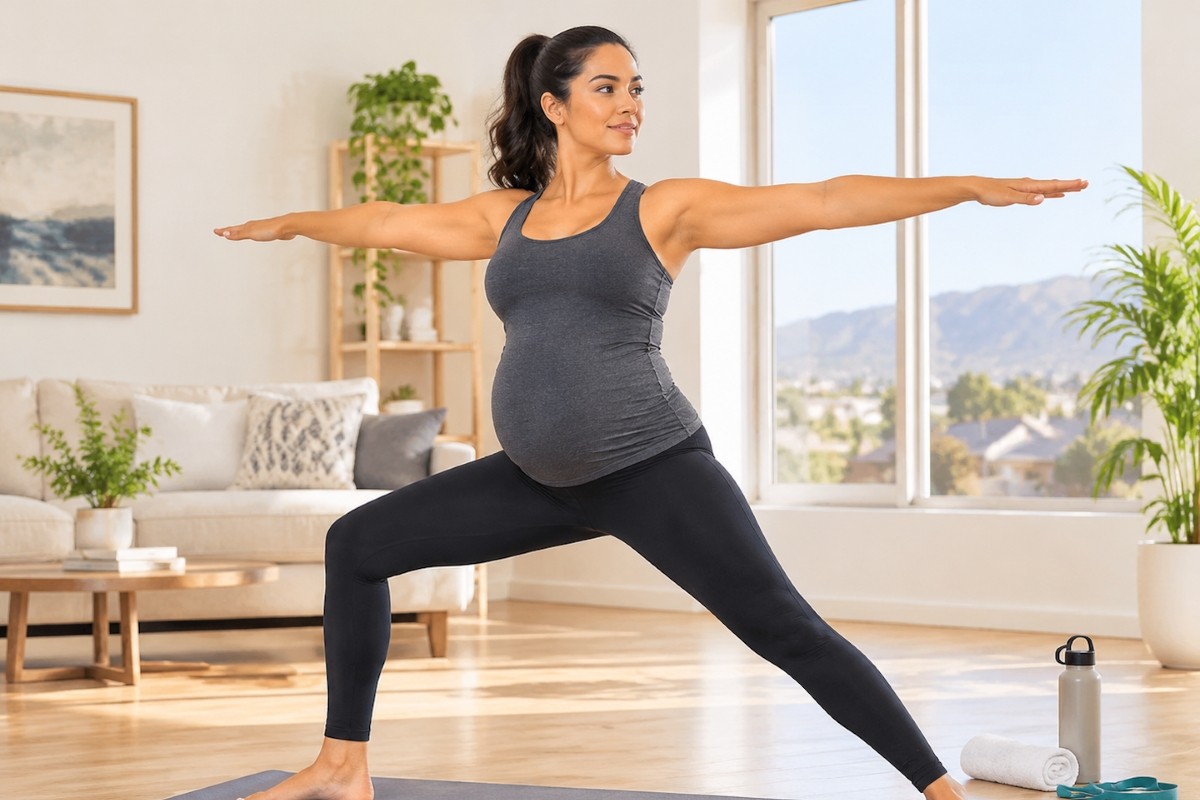
Exercise during pregnancy is safe and recommended for most women with an uncomplicated pregnancy, from the first trimester through delivery, and that includes women who were not active before they conceived. The guidance below reflects current understanding in 2026 and applies only to low-risk pregnancies. If you have a condition such as placenta previa, cervical insufficiency, or unexplained bleeding, your provider may ask you to limit exercise, so check in first.
Can you get fit while pregnant if you weren’t before?
Yes. Pregnancy is not the time to train for a marathon, but it is a fine time to go from inactive to active. Begin with 10 to 15 minutes of brisk walking, stationary cycling, or swimming a few days a week, then add five minutes every week or so. The target is about 150 minutes of moderate activity spread across the week, and it is fine to take months to get there. During pregnancy, your fitness goals shift too: think “healthy pregnancy and easier postpartum recovery” rather than weight loss or a personal best.
How to stay fit during pregnancy, trimester by trimester
In the first trimester, fatigue and nausea are the main obstacles, not safety. Shorter sessions and morning workouts often help, and you can generally keep doing what you were already doing.
The second trimester is usually the easiest window. Energy returns and the belly is not yet in the way, so it is a good time to add strength work and prenatal yoga or Pilates. After about 20 weeks, avoid lying flat on your back for long stretches, since the uterus can press on a major vein and make you lightheaded.
In the third trimester, joints loosen and balance shifts forward. Swap running or jumping for walking, swimming, and cycling if they feel uncomfortable, and widen your stance in strength moves. Many women exercise right up to their due date at a gentler pace. For more ideas, see our earlier post on staying fit during your pregnancy.
How hard should I exercise while pregnant?
Use the talk test. You should be able to speak in full sentences while you work out. If you can only get a few words out, slow down. There is no single safe heart-rate number for everyone, so how you feel is a better guide than a watch.