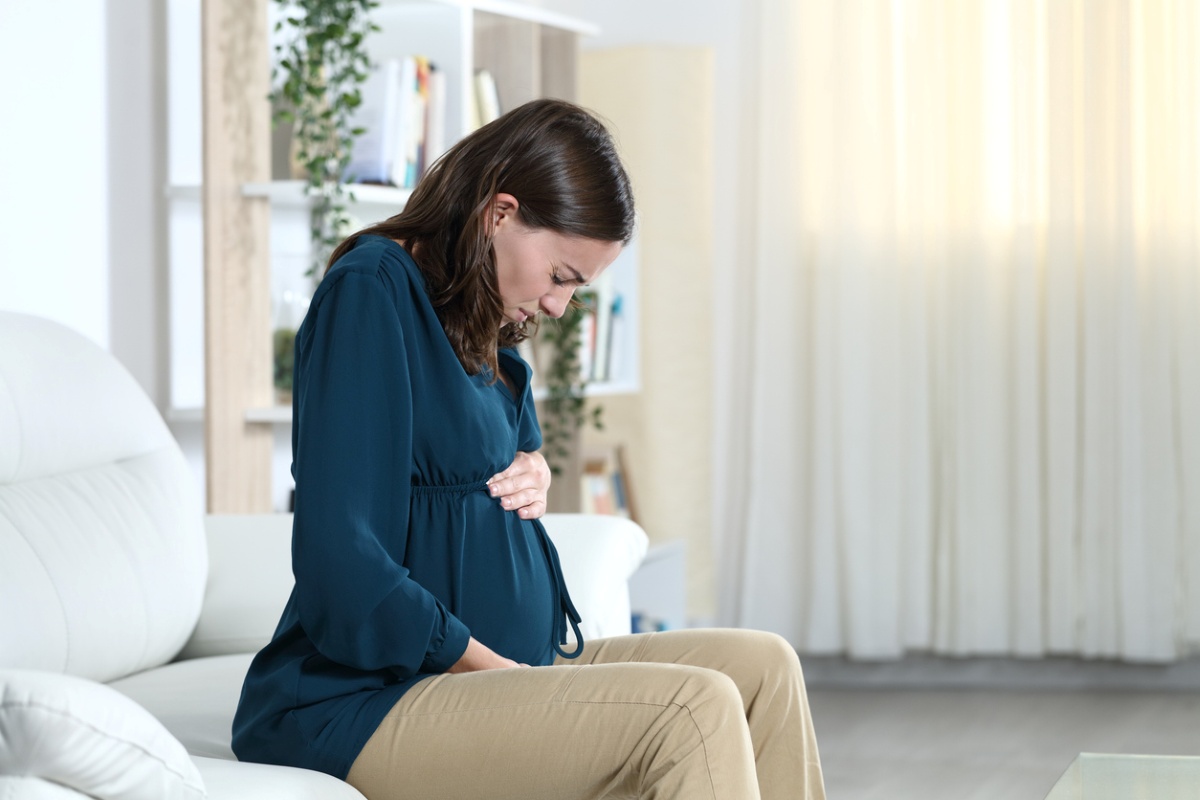
Light bleeding, or spotting, in early pregnancy is more common than many people know. “Spotting” refers to small amounts of blood, often noticed when wiping or as a few drops on your underwear. Studies suggest that a large share of pregnant women experience some spotting in the first trimester, and in many cases the pregnancy continues along just fine. Still, bleeding during pregnancy can be frightening, and it is not always harmless. Knowing what is typical and what deserves a call to your OB can help you remain calm and confident.
Common Causes of Spotting in Early Pregnancy
Several normal changes in early pregnancy can lead to light spotting.
One of the earliest is implantation bleeding. When a fertilized egg attaches to the lining of the uterus, it can cause a small amount of bleeding, often around the time your period would have been due. This spotting is usually light, lasts only a day or two, and tends to be pink or brown rather than bright red.
Spotting After Sex or a Pelvic Exam
Your cervix also changes during pregnancy, growing more sensitive as blood flow increases. Because of this, you may notice light spotting after sex or after a pelvic exam at a prenatal visit. This kind of bleeding is generally not a cause for concern.
What Does Spotting Look Like in Early Pregnancy? Color, Amount, and Timing
Paying attention to a few details can help you and your provider understand what is happening. When spotting occurs, the color, amount, and timing of the bleeding all offer clues.
Light pink or brown spotting that is small in amount and brief is usually the least worrisome. Bright red blood, bleeding that is heavier or steady, or spotting that comes with other symptoms is more likely to need prompt attention. Bleeding that continues for several days or keeps returning is also worth reporting.
When Spotting During Pregnancy Is a Warning Sign
While much early spotting is harmless, bleeding can sometimes signal a complication.