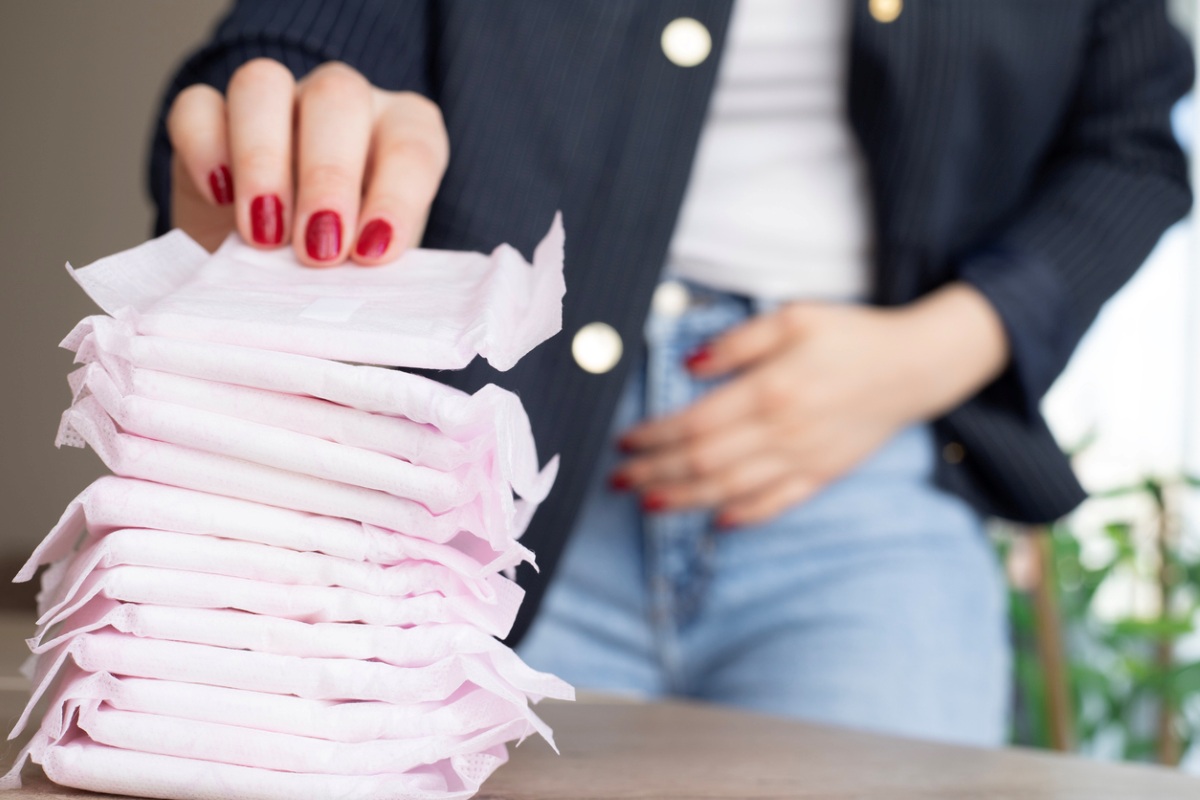
Heavy menstrual bleeding, known medically as menorrhagia, is more common than many women realize. It goes beyond just having a heavier-than-average flow. Menorrhagia means bleeding that soaks through a pad or tampon every hour for several hours, passing blood clots larger than a quarter, or needing to use double protection just to get through the day. If your period is regularly interfering with work, sleep, or everyday activities, that’s a sign that you may need medical attention.
Many women put up with heavy periods for years, assuming it’s just how their body works. But consistently heavy bleeding is not something you have to accept as normal. It can lead to iron deficiency anemia, fatigue, and a real decline in quality of life.
Common Causes of Heavy Bleeding
Several conditions can cause periods to become heavier than usual. One of the most common is uterine fibroids. These noncancerous growths develop in or around the uterus and can increase the amount and duration of menstrual bleeding. Fibroids are very common, especially for women in their 30s and 40s.
Adenomyosis is another frequent cause. This condition occurs when tissue similar to the uterine lining grows into the muscular wall of the uterus, often causing painful, heavy periods along with bloating and cramping.
Hormonal imbalances can also play a role. When estrogen and progesterone levels are out of balance, the uterine lining can build up more than it should, leading to heavier bleeding when it sheds. This is especially common during perimenopause, when hormone levels naturally fluctuate, and in women with polycystic ovary syndrome (PCOS).