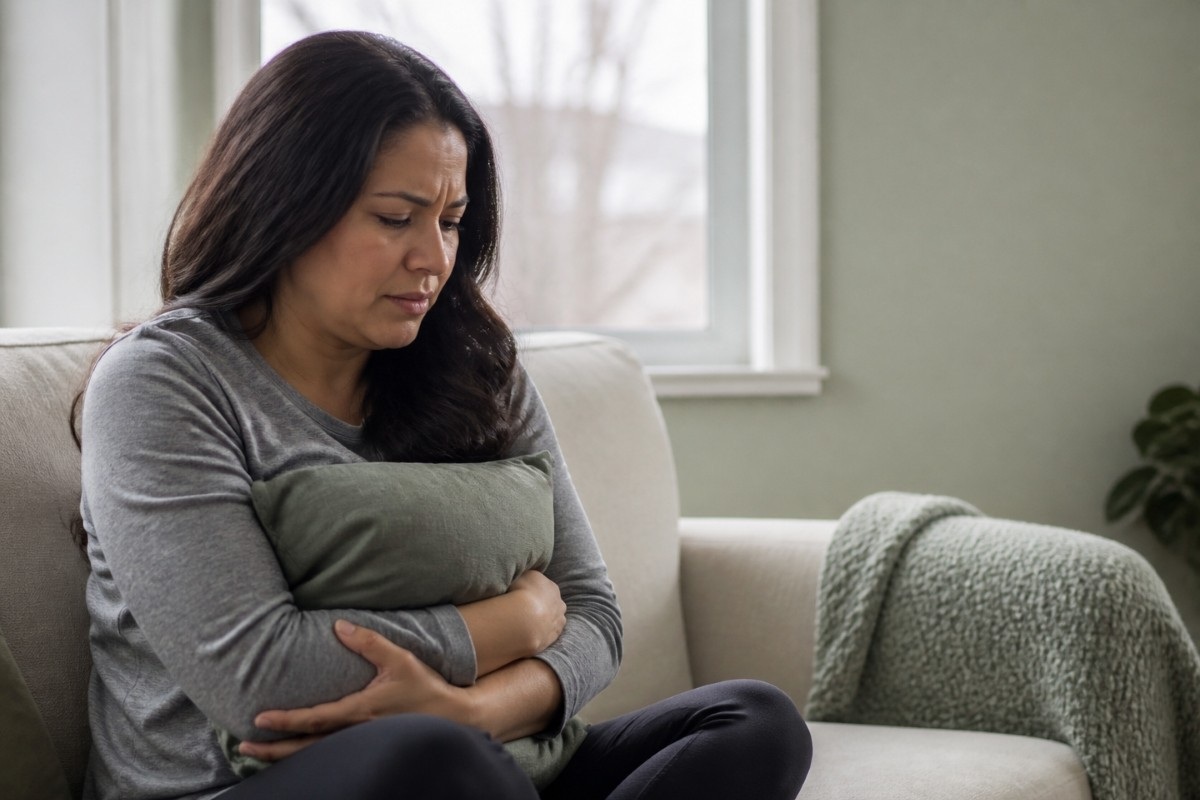
Chronic pelvic pain is pain below your belly button and between your hips that lasts six months or longer. It can be constant or come and go, and it may or may not be tied to your period. The American College of Obstetricians and Gynecologists estimates it affects roughly 15% to 20% of women between the ages of 18 and 50, which makes it far more common than most patients realize when they are sitting alone with it.
The frustrating part is that chronic pelvic pain is rarely one thing. Two or three conditions that overlap is the norm rather than the exception, which is exactly why a single test often comes back clean while the pain continues.
Endometriosis
Endometriosis occurs when tissue similar to the uterine lining grows outside the uterus, on the ovaries, the pelvic wall, the bowel, or the bladder. That tissue responds to your hormones each month, bleeding where it cannot drain, and creates inflammation and scarring.
The classic signs are periods painful enough to interfere with work or school, pain with sex, pain with bowel movements around your period, and infertility. The World Health Organization estimates endometriosis affects about 10% of reproductive-age women, and diagnosis is frequently delayed for years because severe period pain gets normalized.
Fibroids and Adenomyosis
Uterine fibroids are noncancerous growths in the muscular wall of the uterus. Depending on size and location, they cause heavy bleeding, pelvic pressure, a feeling of fullness, back pain, and frequent urination.
Adenomyosis is a related but distinct condition where uterine lining tissue grows into the muscle wall itself. It typically causes heavy, painful periods and a uterus that feels enlarged and tender. It is often diagnosed alongside fibroids or endometriosis.
Interstitial Cystitis and Pelvic Floor Dysfunction
Interstitial cystitis, also called bladder pain syndrome, produces bladder pressure and pelvic pain along with urinary urgency and frequency, often with repeatedly negative urine cultures. Many women are treated for UTIs several times before someone considers this diagnosis.
Pelvic floor dysfunction is one of the most underrecognized causes of pelvic pain on this list. The muscles of the pelvic floor can become chronically tight and go into spasm, producing deep aching, pain with sex, difficulty with tampons, and urinary or bowel symptoms. It commonly develops as a response to another source of pain, which means it can persist even after the original problem is treated.
Digestive and Other Contributors
Irritable bowel syndrome causes cramping, bloating, and pain that changes with bowel movements, and it frequently coexists with gynecologic pain.
Ovarian cysts, pelvic adhesions from prior surgery or infection, and pelvic congestion syndrome, which involves enlarged veins in the pelvis, round out the common causes.