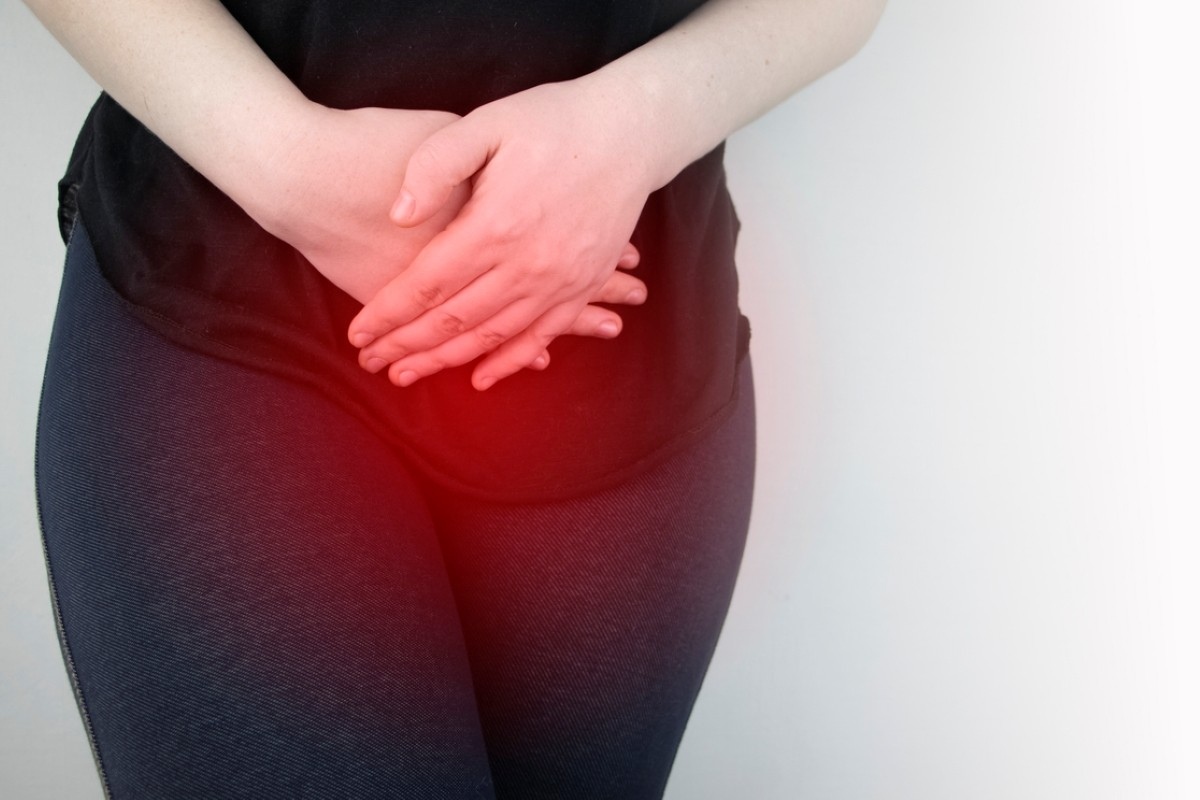
Vulvodynia is a condition that causes chronic pain, burning, or discomfort in the vulva, the outer area of the female genitals, without an identifiable cause like an infection or skin disease. The pain can last for three months or longer and may be constant or come and go. Despite affecting an estimated 8% to 10% of women at some point in their lives, vulvodynia often goes undiagnosed for years because it is frequently confused with other conditions.
What Vulvodynia Feels Like
The experience of vulvodynia varies from person to person. Some women feel a persistent burning or rawness that is present most of the time, while others notice pain only when the area is touched or when pressure is applied. The pain may be focused in one specific spot, often near the vaginal opening, or it may be spread across the entire vulvar area.
Everyday activities can become difficult. Sitting for long periods, wearing tight clothing, exercising, or even inserting a tampon may trigger or worsen the pain. Sexual intercourse is often painful, which can take a toll on intimate relationships and sexual health. Many women with vulvodynia also experience anxiety or depression related to their symptoms.
Why It Takes So Long to Get Answers
One of the most frustrating aspects of vulvodynia is how long it can take to get a correct diagnosis. Research suggests that many women see multiple providers over several years before receiving an answer. There are a few reasons for this.
Vulvodynia shares symptoms with several other conditions, and providers often need to rule those out first.