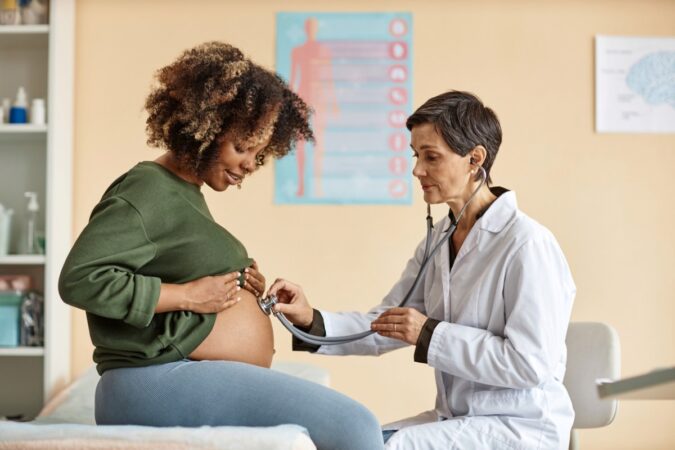
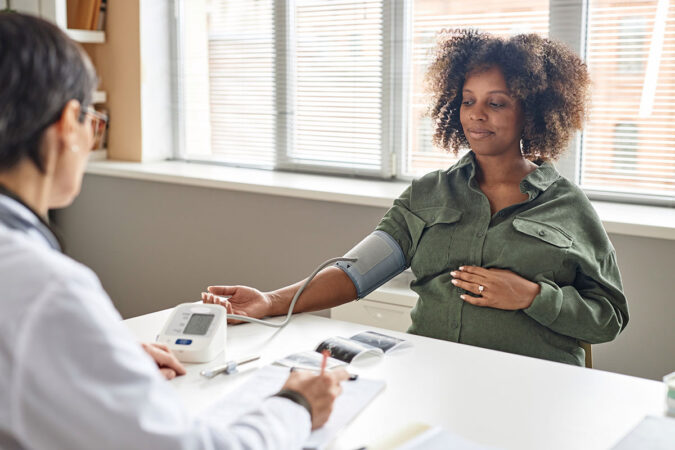
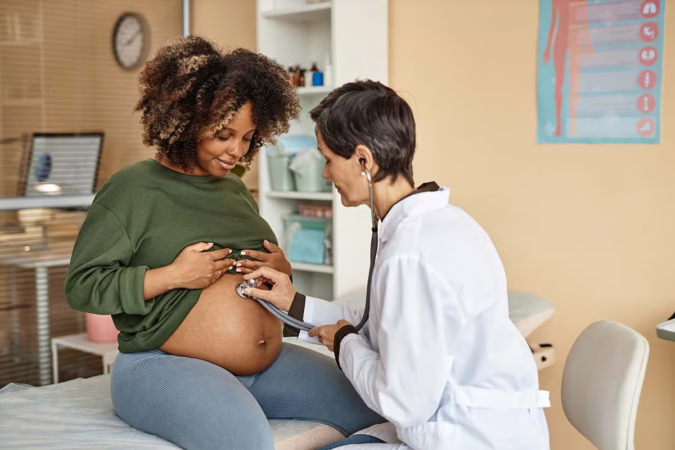
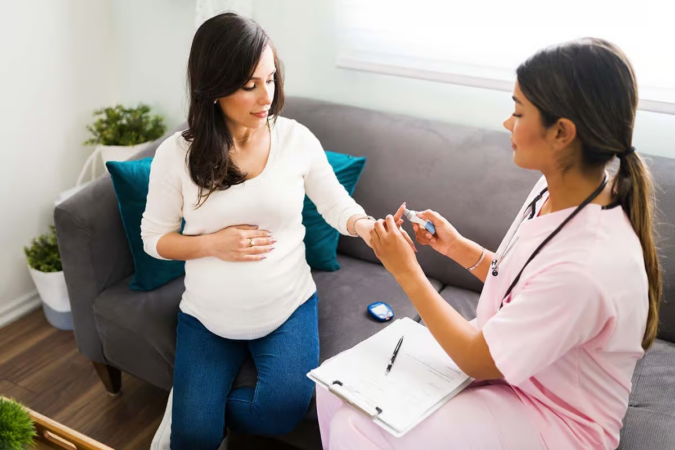
At the High Risk Pregnancy Center in Nevada, we are devoted to protecting the health of mothers-to-be and their unborn babies. As obstetric subspecialists, our highly trained and experienced
maternal-fetal medicine (MFM) doctors offer the most advanced testing and treatment options available for reducing pregnancy risks.
In fact, our team has been on the
leading edge of MFM (also known as perinatology) for more than two decades. Since then, we’ve introduced many new capabilities in Nevada and have made a substantial contribution to the modern standard of MFM care. Today, we still lead the way in technology, procedures, and
commitment to the women in our care and their unborn babies. Learn more about the
High Risk Pregnancy Center.
Pregnancy after a miscarriage or stillbirth is both a hopeful and complicated experience. While many people go on to have healthy pregnancies after these types of loss, pregnancy can feel very different after experiencing a pregnancy loss. The grief does not simply disappear when a new pregnancy begins, and it is completely normal to carry a…
Cervical insufficiency is a condition where the cervix begins to open too early during pregnancy, sometimes without any noticeable contractions or pain. It typically occurs in the second trimester and can lead to preterm birth or pregnancy loss if it is not identified and managed in time. The condition is also sometimes referred to as…
Itching is common during pregnancy and is usually harmless. Most of the time, it is caused by normal skin stretching, dryness, or hormonal changes. But there is one condition where itching serves as an important warning sign: intrahepatic cholestasis of pregnancy, often shortened to cholestasis. This is a liver condition that develops when bile flow…
First trimester bleeding is any vaginal bleeding that occurs during the first 12 weeks of pregnancy. It is relatively common, and in many cases, it does not mean something is wrong. However, because bleeding can sometimes signal a problem that requires prompt medical attention, it is important to understand the possible causes, know what your…
The thyroid is a small gland in your neck that helps regulate energy, metabolism, heart function, and brain activity. During pregnancy, thyroid hormone also plays a direct role in fetal growth and development, especially in the first trimester, when your baby relies heavily on your hormone supply. When thyroid levels are too high or too…
Autoimmune diseases like lupus, rheumatoid arthritis (RA), and Hashimoto’s thyroiditis occur when the immune system mistakenly attacks the body’s own tissues. During pregnancy, the immune system naturally shifts to support the developing baby. That shift can improve some autoimmune symptoms, but it can also trigger flares or make certain conditions harder to manage. The good…
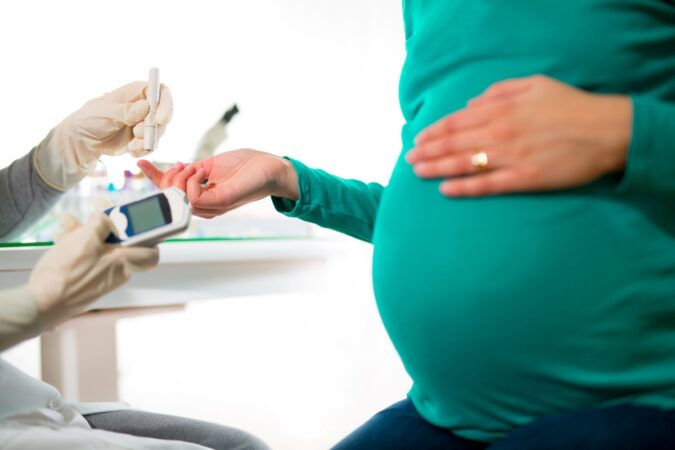
Diabetes in pregnancy: what’s the difference? If you are pregnant and living with diabetes, or you have been told you have gestational diabetes, you are not alone. Many people manage healthy pregnancies with the right plan and support. Blood sugar, blood pressure, weight changes, sleep, stress, and daily movement all affect how your body handles…
f you are pregnant and have been told your body mass index (BMI) is in the obesity range (30 or above), it is normal to have questions. Many patients want a clear answer: What does this mean for my pregnancy and my baby? The most important thing to know is this: obesity can increase certain…
For many women, pregnancy is one of life’s most joyful and transformative experiences. Yet it can also bring uncertainty and concern, particularly if health complications are present. Some women begin pregnancy with chronic medical conditions, while others develop issues along the way. A pregnancy may also be considered higher risk because of maternal age, reproductive…
Genetic testing has become one of the most powerful tools in modern obstetrics. These tests provide valuable information about your baby’s development and can help identify potential risks early, allowing for more informed decisions and better preparation. For women over the age of 35, those with family histories of genetic conditions, or patients with high-risk…
The postpartum period is one of the most critical stages in a woman’s life. It begins immediately after childbirth and extends through the first weeks and months as your body recovers, your baby grows, and your family adjusts to new routines. While this time can bring immense joy, it can also feel overwhelming. Many mothers…
Pregnancy can be one of the most exciting and transformative times in your life. But if your pregnancy is considered high risk, it is natural to feel more cautious about your health and your baby’s well-being. A high-risk pregnancy means that you or your baby are more likely to face complications, so your care requires…
10 Risk Factors for High-Risk Pregnancy Pregnancy is often described as one of the most exciting times in a woman’s life, filled with joy and anticipation. For many, the journey is straightforward and without complication. For others, however, certain medical conditions, lifestyle factors, or pregnancy-related issues can increase the chances of complications. This is what…
Every stage of life brings new opportunities to care for your health, and your 50s and 60s are no exception. During these years, many women are post-menopausal and adjusting to physical and emotional changes that come with aging. While some shifts are natural, others require more attention to protect long-term well-being. By taking a proactive…
Diabetes is becoming increasingly common in the United States, and more women are entering pregnancy with either type 1 or type 2 diabetes. Gestational diabetes, which develops during pregnancy, is also on the rise, now affecting up to 14 percent of all pregnancies. While diabetes can increase the risk of complications for both mother and…
Placenta previa is a condition in which the placenta lies low in the uterus and partially or completely covers the cervix. The cervix is the opening of the uterus that allows the baby to pass through during delivery. If the placenta blocks this opening, it can interfere with a safe vaginal birth and may cause…
Every pregnancy carries some degree of risk. For most women, the journey is uncomplicated, but for others, certain health conditions can raise the likelihood of complications. While some risks cannot be completely avoided, many can be reduced with the right preparation and care before conception. Addressing maternal health concerns before pregnancy can significantly improve the…
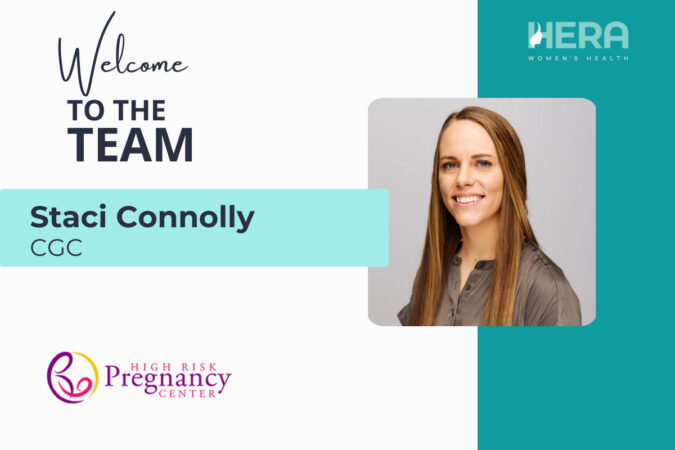
The High Risk Pregnancy Center (HRPC), Nevada’s leading maternal-fetal medicine practice, is pleased to welcome Staci Connolly, MS, Genetic Counselor, to its Reno team. For more than 20 years, HRPC has been committed to delivering compassionate, evidence-based care to women experiencing high-risk pregnancies. With the addition of Ms. Connolly, the practice continues to strengthen its…
If you’re managing a high-risk pregnancy, you’re probably paying close attention to how you are feeling day to day. When you’re already facing elevated health risks, even minor symptoms can raise important questions. Should you call your provider? Is this normal? Am I overreacting? Why High-Risk Pregnancies Need Closer Monitoring Every pregnancy is unique, but…
If you’re pregnant and managing a chronic health condition, chances are you’re taking at least one medication. But pregnancy often brings up new questions and concerns, especially when you’re considered high risk. Is your medication safe for the baby? Should you stop taking it? Could it be replaced with something else? Whether you’re dealing with…
Being diagnosed with high blood pressure doesn’t mean you can’t have a healthy pregnancy. Your pregnancy will require more monitoring and care, potentially from a specialist, but safe outcomes for both you and your baby are absolutely possible with the right support. What Is High Blood Pressure in Pregnancy? Blood pressure is a measure of…
For women who may be at risk for a high-risk pregnancy, planning ahead can make a world of difference. Whether you have a chronic medical condition, a family history of pregnancy complications, or simply want to be proactive about your reproductive health, preconception counseling is an essential first step. What Is a High-Risk Pregnancy? A…
Pregnancy can be an exciting and hopeful time. But for women facing high-risk pregnancies, it can also come with a heavy emotional toll. Anxiety and depression are common in high-risk pregnancies, and they deserve just as much attention as physical health concerns. At The High Risk Pregnancy Center, we recognize the importance of caring for…
Every expectant parent hopes for a smooth pregnancy and a healthy baby. But sometimes, routine prenatal tests reveal unexpected concerns, with one of the most serious being a congenital heart defect. Learning that your baby may have a heart problem can be overwhelming. Still, thanks to modern diagnostic tools and early detection, families today are…
Navigating pregnancy while managing an autoimmune condition presents unique challenges and considerations. Autoimmune diseases, where the immune system mistakenly attacks the body’s own tissues, can impact both maternal and fetal health. Understanding these effects and the importance of specialized care is crucial for expectant mothers with such conditions. Common Autoimmune Conditions Affecting Pregnancy Systemic Lupus…
At The High Risk Pregnancy Center (HRPC), we understand that a healthy heart is the cornerstone of a healthy pregnancy. For many women, pregnancy represents a time of profound physical and emotional change, but it also places additional demands on the cardiovascular system. Recognizing and managing these challenges is crucial, particularly for those with pre-existing…
Pregnancy is a remarkable journey, but for some expectant parents, it can come with added complexities and concerns. High-risk pregnancies—characterized by factors such as advanced maternal age, a family history of genetic conditions, or known risk factors—require specialized care to ensure the best outcomes for both mother and baby. Genetic counseling plays a crucial role…
The holiday season is a time of joy, connection, and celebration. However, for expectant mothers navigating a high-risk pregnancy, this season can present unique challenges. Balancing travel, holiday meals, stress, and medical needs requires extra care and thoughtful planning to ensure both mother and baby remain healthy and safe. Holiday Travel: Staying Safe and Comfortable…
If you’re living with an autoimmune disease and planning to start a family, you might be wondering how your condition could impact your pregnancy. Autoimmune diseases occur when your immune system mistakenly attacks your own body, leading to inflammation and other symptoms. Some of the more common autoimmune conditions include lupus, rheumatoid arthritis, multiple sclerosis,…
Pregnancy is a special journey, and expecting multiple babies adds an extra layer of excitement and complexity. Pregnancies involving more than one baby occur when multiple embryos develop in the womb. The most common type of such pregnancies is twins. Twins can be identical (monozygotic), which happens when one fertilized egg splits into two embryos,…
Pregnancy is a life-changing time that requires special attention to nutrition to support both maternal health and fetal development. Ensuring that both mother and child get the necessary nutrients involves understanding the role of key vitamins, supplements and protein. In this article, we will explore which nutrients are crucial during pregnancy and how to incorporate…
A birth plan or roadmap for your delivery day can be an invaluable tool for guiding you into delivery with more confidence and clarity. While it’s impossible to predict exactly how your labor and delivery will unfold, having a plan can help you feel more prepared. In this article, we’ll walk you through the steps…
Studies suggest that about 10% of all pregnancies in the United States are complicated by high blood pressure. High blood pressure in pregnancy is a serious issue that can cause a number of complications for both mother and baby. This includes a condition known as preeclampsia. Preeclampsia is a blood pressure disorder that can happen…
Dealing with a high-risk pregnancy can add another level of worry and concern to expectant parents. A high-risk pregnancy generally involves receiving more care from your prenatal team, additional doctor visits, extra scans and other tests. All of this is done to ensure that your pregnancy is progressing well. If you have a high-risk pregnancy,…
Gestational diabetes is a type of diabetes that develops during pregnancy and affects how the body processes sugar and carbohydrates. While gestational diabetes can be a challenging condition to deal with, understanding its cause, symptoms, and management can help expectant mothers navigate this challenge with confidence. What Is Gestational Diabetes? First and foremost, it is…
Pregnancy is an exciting journey that at times can bring forth a few worries and concerns. When a pregnancy is classified as high-risk, it is not uncommon for these worries and concerns to get magnified. So finding ways to manage the extra stress and anxiety is an important part of staying healthy over the course…