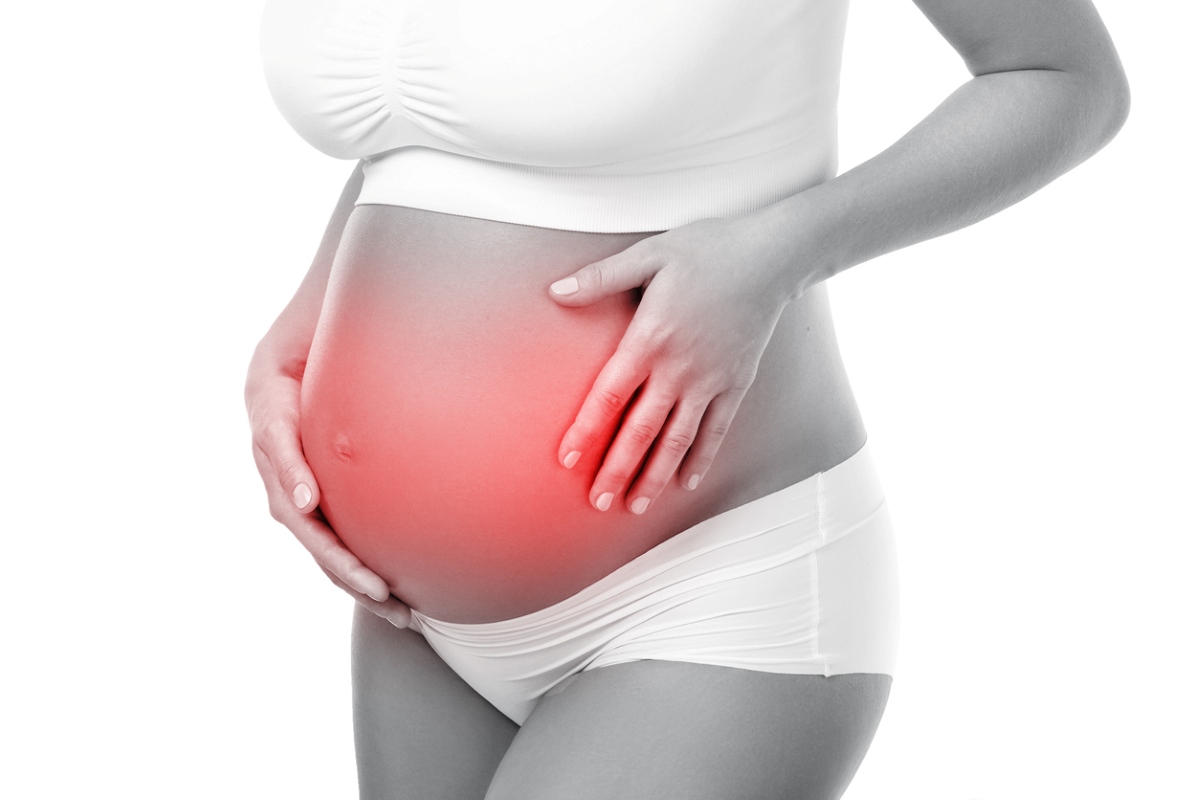
10 Risk Factors for High-Risk Pregnancy
Pregnancy is often described as one of the most exciting times in a woman’s life, filled with joy and anticipation. For many, the journey is straightforward and without complication. For others, however, certain medical conditions, lifestyle factors, or pregnancy-related issues can increase the chances of complications. This is what physicians call a high-risk pregnancy.
A high-risk pregnancy means that extra attention, specialized care, and close monitoring are needed to ensure the best possible outcome for both mother and baby. While the term may sound alarming, it does not mean that something will go wrong. It simply means that the chances of complications are higher, and working with experienced specialists can help manage those risks.
Understanding the most common risk factors can empower women to be proactive about their health.
1. Advanced Maternal Age
Women who are 35 years or older at the time of pregnancy are more likely to be classified as high risk. Advancing age increases the chances of complications such as gestational diabetes, preeclampsia, and restricted fetal growth.
Ask about special screening options, such as noninvasive prenatal testing for chromosomal conditions, and be proactive with regular check-ins.
Older mothers may also have a slightly higher risk of miscarriage or chromosomal abnormalities. With specialized monitoring, however, most women in this age group have healthy pregnancies and deliveries.
2. Preexisting Medical Conditions
The health of the mother before conception plays a large role in pregnancy outcomes. Conditions such as high blood pressure, diabetes, kidney disease, heart problems, autoimmune disorders, and chronic infections can all contribute to complications. In some cases, medication adjustments are needed to ensure maternal safety and fetal well-being.
Identifying and managing these conditions before pregnancy greatly reduces risks.
3. Medical Conditions That Develop During Pregnancy
Even women who begin pregnancy in excellent health can develop conditions that raise their risk. Preeclampsia, gestational diabetes, and other complications can arise unexpectedly and require immediate treatment. These conditions not only place the mother at risk but can also impact the baby’s growth and development if not carefully monitored.
Early detection through regular prenatal visits is key.
4. Pregnancy-Related Issues
Certain complications are directly tied to the pregnancy itself. Infections, a shortened cervix, or a history of preterm labor can put both mother and baby at risk. Women who experienced premature birth in a prior pregnancy are often closely monitored in future pregnancies to watch for early signs of labor and to intervene quickly if needed.