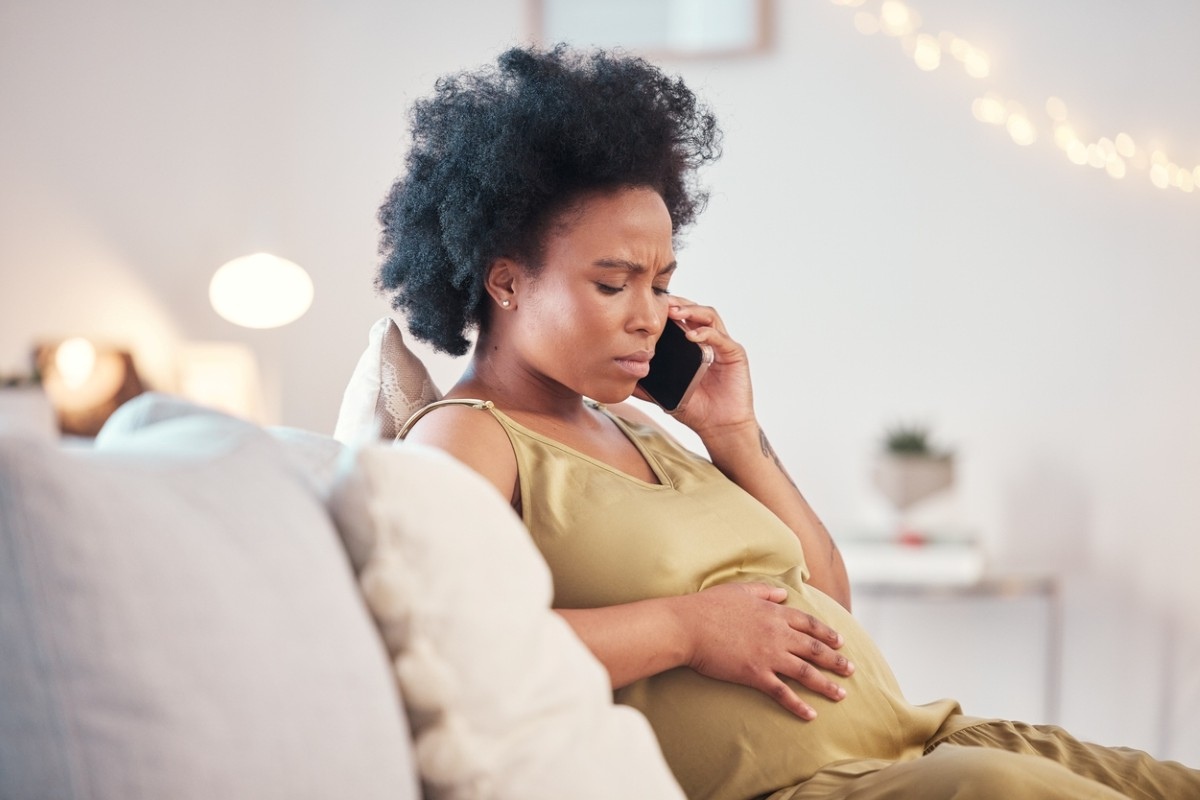
If you’re managing a high-risk pregnancy, you’re probably paying close attention to how you are feeling day to day. When you’re already facing elevated health risks, even minor symptoms can raise important questions. Should you call your provider? Is this normal? Am I overreacting?
Why High-Risk Pregnancies Need Closer Monitoring
Every pregnancy is unique, but a high-risk pregnancy means that either you or your baby has an increased chance of developing complications. You may be considered high risk if you:
- Are 35 years of age or older
- Have a chronic condition like diabetes, hypertension, or an autoimmune disease
- Have a multiple pregnancy
- Have a history of pregnancy loss or preterm birth/delivery
- Developed complications in a previous pregnancy
- Have abnormal test results or ultrasounds
Because your pregnancy may require more medical care than usual, it’s essential to understand which symptoms could signal a problem. Early reporting helps your provider intervene before a condition becomes more serious.
When Should I Call My Specialist?
Here are the key symptoms that should always prompt a phone call to your provider, especially during a high-risk pregnancy. While some may be more urgent than others, it’s always better to call if you’re unsure.
- Vaginal Bleeding
Light spotting in early pregnancy is common, but any bleeding during the second or third trimester should be reported right away. Bleeding could be a sign of placenta previa, placental abruption, preterm labor, or infection. If bleeding is heavy, accompanied by pain, or involves clots, call your provider immediately. It could be a sign of cervical insufficiency, miscarriage, placenta previa, preterm labor, or even an infection. - Severe Headaches That Don’t Go Away
A persistent, throbbing headache that doesn’t improve with rest or hydration can be a sign of high blood pressure or preeclampsia. If your headache is accompanied by visual changes or swelling, it’s imperative you call your provider. - Blurred Vision, Spots, or Light Sensitivity
Vision changes during pregnancy may signal a rise in blood pressure or worsening of preeclampsia. If your eyesight has changed, for example seeing flashes or spots, or light becomes painful, don’t wait to call your provider. - Sudden or Severe Swelling
Mild swelling is common during pregnancy, especially in the ankles and feet. However, sudden swelling in your hands, face, or around the eyes (or swelling that comes on quickly) could be a sign of preeclampsia and should be reported right away. - Decreased Fetal Movement
As your baby grows, you’ll begin to feel regular movement, usually by the end of the second trimester. If you notice a significant decrease in movement or haven’t felt your baby move at all by 28 weeks, let your provider know. We may recommend kick counts or monitoring to assess your baby’s well-being. - Pain or Pressure in the Lower Abdomen or Pelvis
Some cramping can be normal, especially as your uterus grows. But intense or persistent pain in your lower abdomen or pelvis could indicate preterm labor, infection, or another complication. If the pain is rhythmic or comes with back pain or bleeding, call your provider immediately. Some pain can be from round ligament pain, a normal part of uterine growth. However, more intense pain could indicate preterm labor, infection, or another complication. - Contractions Before 37 Weeks
If you begin to feel regular, painful contractions before your due date, you may be in preterm labor. We can evaluate whether the contractions are real or Braxton Hicks and take steps to delay labor if needed. - Fever Over 100.4°F (38°C)
A high fever during pregnancy can signal infection, which may affect both you and your baby. If your temperature goes above 100.4°F, especially if accompanied by chills or body aches, call your provider promptly. A high fever can signal an infection, which may affect both you and your baby. - Burning or Pain When Urinating
Urinary tract infections are more common during pregnancy and can lead to complications if not treated. Call your doctor if you notice burning, urgency, cloudy urine, or back pain. - Shortness of Breath or Chest Pain
Mild breathlessness is normal as your baby grows, but sudden or severe shortness of breath, chest pain, or difficulty breathing may indicate a serious issue such as a blood clot. Call 911 or go to the ER if this occurs. - Fluid Leaking From the Vagina
If you notice a sudden gush or steady trickle of fluid from the vagina, you could be experiencing premature rupture of membranes (PROM). This means your water has broken and could be a sign that labor is near, even if it’s too early. - Rapid Weight Gain
Gaining 2-3 lbs in a week (especially if accompanied by swelling, headaches, or vision changes) may be a sign of preeclampsia and should be immediately brought to your provider’s attention.