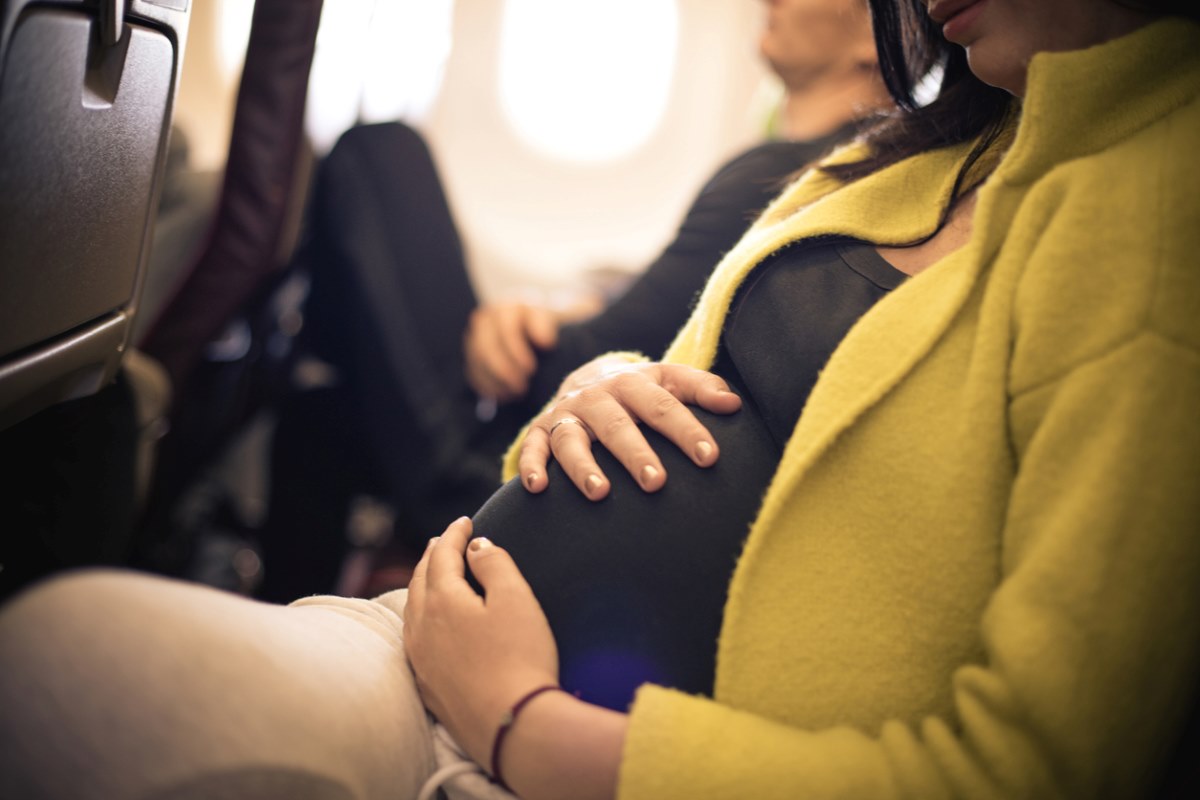
The holiday season is a time of joy, connection, and celebration. However, for expectant mothers navigating a high-risk pregnancy, this season can present unique challenges. Balancing travel, holiday meals, stress, and medical needs requires extra care and thoughtful planning to ensure both mother and baby remain healthy and safe.
Holiday Travel: Staying Safe and Comfortable
Traveling during the holidays is a common way for families to reunite and celebrate together. For women experiencing a high-risk pregnancy, travel demands careful consideration and preparation. It is essential to consult with a maternal fetal medicine specialist before booking flights or planning long drives. The dedicated team at the High Risk Pregnancy Center (HRPC) will assess your individual health situation and provide personalized recommendations, including whether it is safe to travel.
When on the move, planning for frequent breaks and staying hydrated is crucial. During car trips, stopping every hour or two to stretch your legs can promote circulation and help prevent blood clots. For those flying, requesting an aisle seat allows for easier movement, and walking periodically during the flight is beneficial. Always carrying a water bottle ensures you stay hydrated throughout your journey.
Preparation for emergencies is another critical aspect of holiday travel. Identifying the nearest medical facility at your travel destination that can provide high-risk pregnancy care is essential. Carrying a copy of your medical records and HRPC’s contact information ensures that you have quick access to necessary information should the need arise.
Holiday Nutrition: Enjoying Meals While Staying Healthy
Holiday meals are often rich and indulgent, making it easy to stray from a healthy eating plan. For women with high-risk pregnancies—especially those with conditions like gestational diabetes or preeclampsia—maintaining a balanced diet is vital. Focusing on lean proteins, vegetables, whole grains, and fruits helps create a balanced plate, while limiting foods high in sodium, sugar, and saturated fats supports overall health. If you have specific dietary restrictions, consulting HRPC’s specialized diabetes and nutrition counselors can provide tailored advice to help you navigate holiday feasts without compromising your health.
Additionally, avoiding alcohol entirely and limiting caffeine to doctor-approved levels is important. Being mindful of food safety by avoiding unpasteurized cheeses, deli meats, and undercooked dishes reduces the risk of foodborne illnesses that can pose significant dangers during pregnancy. Staying hydrated by carrying a water bottle throughout the day and prioritizing water intake before meals supports circulation and reduces swelling, especially during the hectic holiday season.