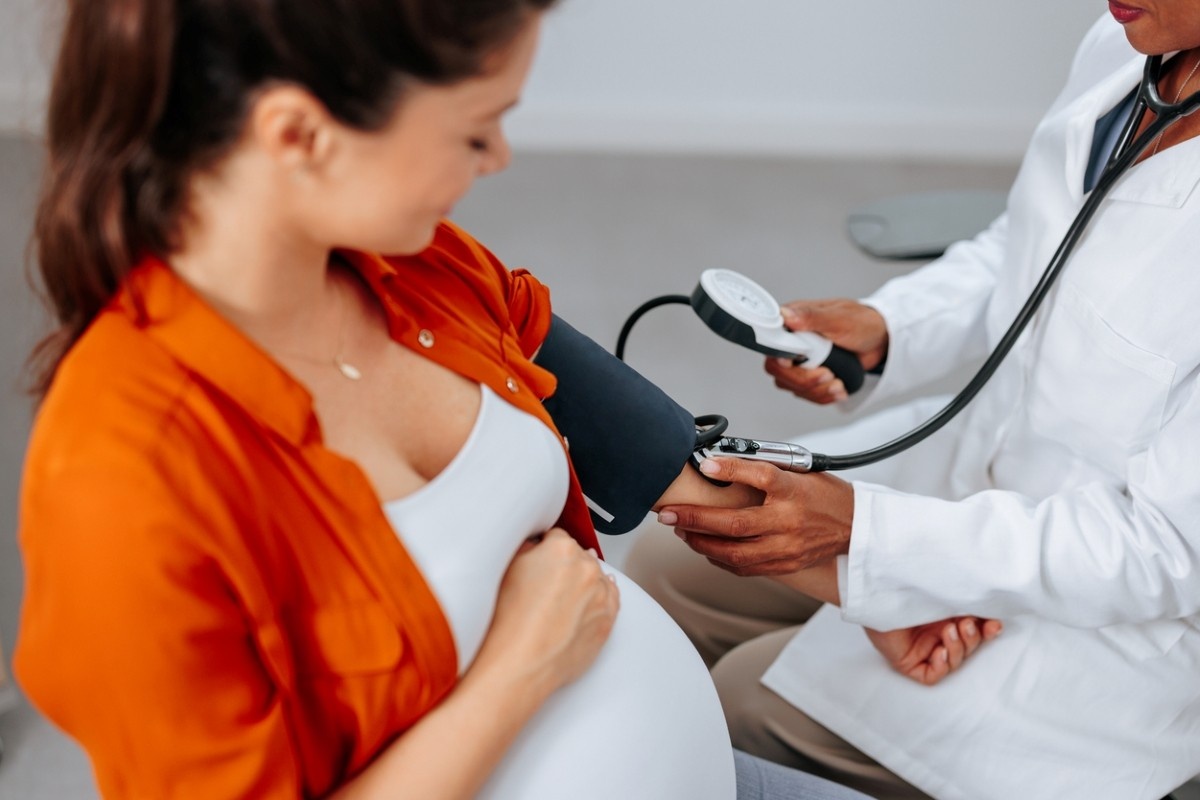
Pregnancy is a time of significant change for your body, and one of the most important aspects of prenatal care is monitoring your blood pressure. While some changes in blood pressure can be normal, consistently high readings during pregnancy may signal gestational hypertension. This condition affects both mother and baby, and recognizing it early is key to protecting your health and ensuring a safe delivery.
What Is Gestational Hypertension?
Gestational hypertension is high blood pressure that develops after 20 weeks of pregnancy in a woman who previously had normal blood pressure. It is diagnosed when the systolic pressure (the top number) is 140 mmHg or higher, and/or the diastolic pressure (the bottom number) is 90 mmHg or higher on at least two separate occasions, at least four hours apart, after 20 weeks gestation.
Unlike chronic hypertension, which is present before pregnancy or before 20 weeks, gestational hypertension starts in the second half of pregnancy and often resolves after delivery. However, it can progress to more serious conditions if not monitored and treated.
How It Differs From Preeclampsia
Gestational hypertension and preeclampsia are related but not the same. The key difference is that preeclampsia involves high blood pressure along with signs of damage to other organs, such as the kidneys or liver. Preeclampsia is diagnosed when high blood pressure is accompanied by protein in the urine or evidence of organ dysfunction, such as elevated liver enzymes, low platelets, or signs of kidney impairment.
Gestational hypertension can progress to preeclampsia, which is why close monitoring is so important. Your provider will watch for symptoms like headaches, visual changes, swelling in the hands and face, or abdominal pain, which may indicate that the condition is becoming more serious.
Who Is at Risk?
Gestational hypertension can happen to anyone, but certain factors increase the likelihood of developing it.
Common risk factors include:
- Being pregnant for the first time
- Carrying multiples (twins, triplets, etc.)
- Being over the age of 35
- Having a family history of high blood pressure or preeclampsia
- Having a high body mass index (BMI) before pregnancy
- Experiencing gestational hypertension in a previous pregnancy
- Having certain medical conditions such as diabetes or kidney disease
Why Gestational Hypertension Matters
Even if you feel well, high blood pressure during pregnancy can affect both your health and your baby’s development.