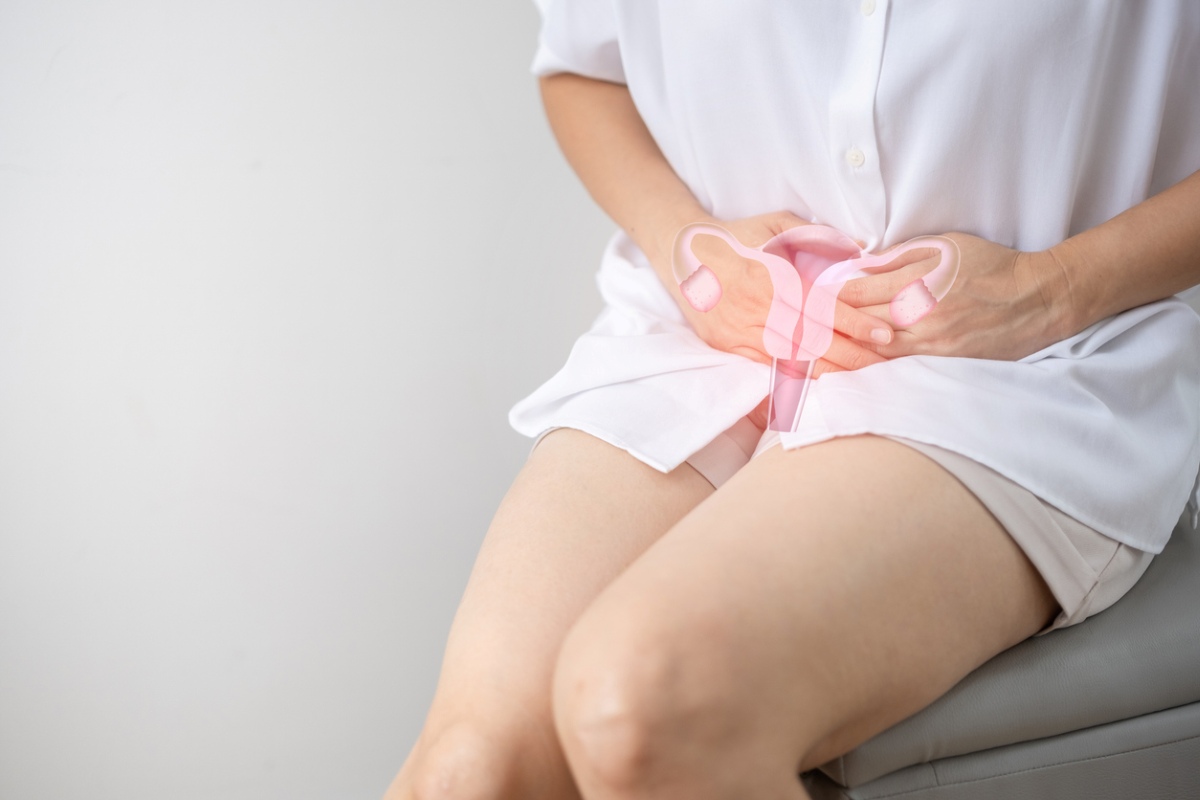
Why Pelvic Health Matters
Pelvic health is an important part of overall well-being, yet many women hesitate to talk about symptoms that affect the bladder, uterus, or vagina. One of the most common conditions that falls into this category is pelvic organ prolapse. While it can be uncomfortable and sometimes disruptive, it is also highly treatable with modern care.
In this article, we’ll explain what pelvic organ prolapse is, what causes it, common symptoms, and the range of treatments that can help restore comfort and function.
Understanding Pelvic Organ Prolapse
Pelvic organ prolapse happens when the muscles and connective tissues that support the pelvic organs weaken. This allows organs such as the bladder, uterus, or rectum to shift downward into the vaginal canal.
The pelvic floor is made up of muscles, ligaments, and tissues that act like a supportive hammock. When that support weakens, one or more organs may drop, creating a bulge or feeling of pressure. Prolapse can range from very mild to more severe, depending on how much the organ descends.
Types of Prolapse
- Cystocele (bladder prolapse): When the bladder drops into the front wall of the vagina.
- Rectocele (rectal prolapse): When the rectum bulges into the back wall of the vagina.
- Uterine prolapse: When the uterus descends into the vaginal canal.
- Enterocele: When the small intestine pushes into the upper vaginal wall.
- Vaginal vault prolapse: Occurs after hysterectomy when the top of the vagina loses support.
Causes of Pelvic Organ Prolapse
- Childbirth, especially large babies or multiple births
- Aging and menopause
- Chronic pressure from coughing, constipation, or heavy lifting
- Genetics
- Pelvic surgery such as hysterectomy
Recognizing the Symptoms
Prolapse symptoms can vary, but many women describe a sense of heaviness or pressure in the pelvis.