Pregnancy is an exciting journey, but it can also bring unexpected challenges. One such challenge is preeclampsia—a condition that affects some pregnant women. Learning about preeclampsia can help you understand how to manage it and ensure a healthy pregnancy for both you and your baby.
What is Preeclampsia?
Preeclampsia is a pregnancy complication characterized by high blood pressure and signs of damage to another organ system, often the kidneys. It usually occurs after the 20th week of pregnancy in women whose blood pressure had otherwise been normal. If left untreated, preeclampsia can lead to serious complications for both the mother and baby.
How Does Preeclampsia Affect You?
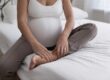
For expectant mothers, preeclampsia can mean increased monitoring and potential lifestyle changes. The condition can cause symptoms such as severe headaches, changes in vision, and swelling in the hands and face. It’s crucial to communicate with your healthcare provider if you experience any of these symptoms.
Preeclampsia can also lead to complications such as organ damage or placental issues, and in severe cases, it can progress to eclampsia, which involves seizures. This is why early detection and management are key.
What Does Preeclampsia Mean for Your Baby?
For your baby, preeclampsia might mean a higher risk of premature birth and low birth weight. This happens because the condition can affect the placenta, reducing the flow of oxygen and nutrients to the baby. Babies born prematurely may face challenges that come with early delivery, but many go on to lead healthy lives with proper medical care.
Recognizing the Signs
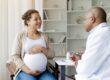
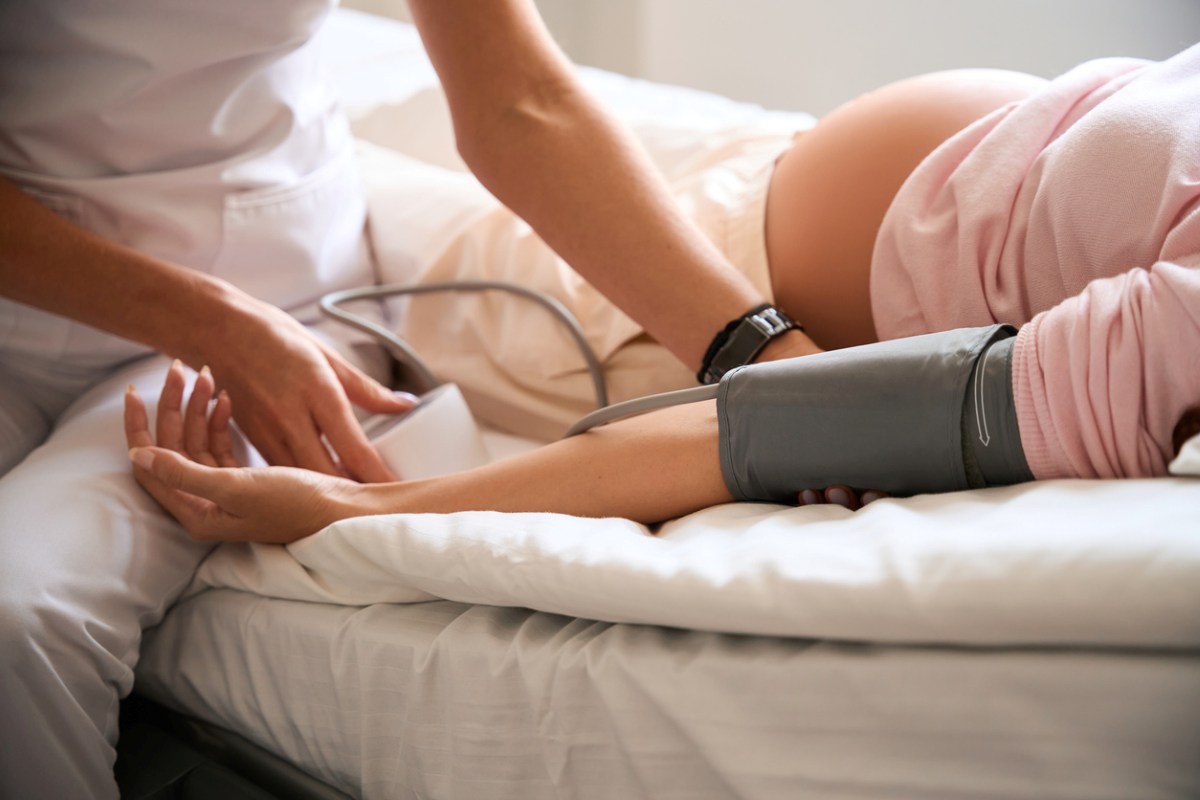
Early recognition of preeclampsia can make a big difference. Regular prenatal check-ups are essential as they allow your doctor to monitor your blood pressure and check for protein in your urine—two key indicators of preeclampsia. Be proactive in discussing any symptoms you experience, no matter how minor they might seem.
Prevention Strategies
While it’s not always possible to prevent preeclampsia, there are steps you can take to reduce your risk:
- Regular Prenatal Care: Attending all prenatal appointments helps in early detection and management of preeclampsia.
- Healthy Diet and Exercise: Eating a balanced diet and engaging in regular physical activity can help manage your blood pressure.
- Monitor Blood Pressure: Keeping track of your blood pressure at home can help you catch any unusual changes early.
- Manage Stress: Find healthy ways to cope with stress, such as yoga, meditation, or gentle exercise.
- Follow Medical Advice: If your medical provider prescribes medication or recommends lifestyle changes, be sure to follow their guidance closely.