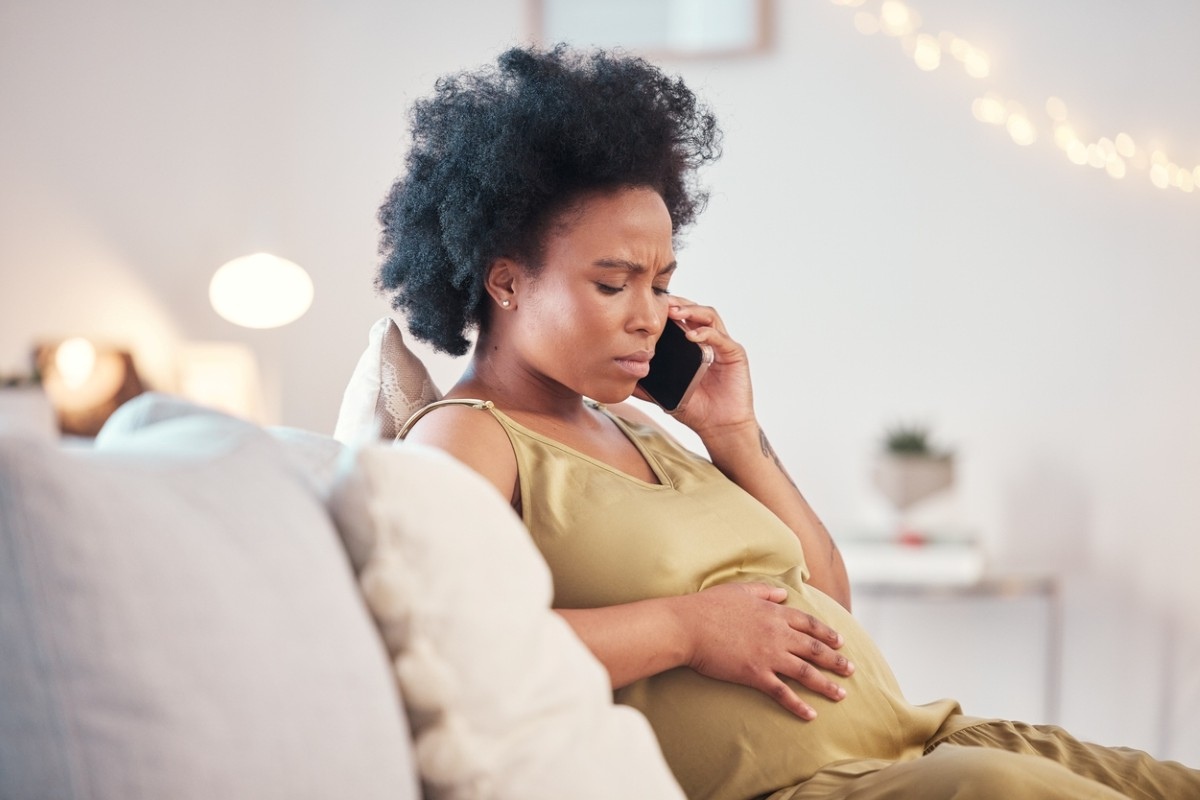
Pregnancy can be one of the most exciting and transformative times in your life. But if your pregnancy is considered high risk, it is natural to feel more cautious about your health and your baby’s well-being. A high-risk pregnancy means that you or your baby are more likely to face complications, so your care requires closer monitoring. Knowing which symptoms are expected and which ones should prompt an urgent call to your specialist is one of the most important steps in keeping both you and your baby safe.
Understanding what warning signs to watch for can reduce unnecessary worry while ensuring that serious issues are addressed quickly.
Why It’s Important to Recognize Warning Signs
Every pregnancy comes with its share of changes, many of which are perfectly normal. Fatigue, mild swelling in the feet, or occasional headaches may not be cause for concern. However, some symptoms signal a higher risk of complications, especially for women already being monitored for conditions such as hypertension, diabetes, or placental issues. Recognizing these warning signs allows your care team to step in early, often preventing minor problems from becoming serious emergencies.
Calling your provider when something feels wrong is never an overreaction. Even if the symptom turns out to be harmless, your peace of mind matters, and your team is here to support you.
Headaches and Vision Changes
Headaches are common during pregnancy, but severe or persistent headaches should not be ignored. A sudden, intense headache may signal preeclampsia, a condition marked by high blood pressure that can affect multiple organs. Preeclampsia can progress quickly if untreated, so early detection is critical.
Vision changes are another red flag. Blurred vision, flashing lights, or spots in your field of sight may also be linked to preeclampsia or other complications. If you notice sudden changes in your vision, call your specialist right away.
Bleeding or Leaking Fluid
Light spotting can sometimes occur in early pregnancy, but heavier bleeding at any stage should be evaluated immediately. Bleeding may be related to placenta previa, placental abruption, or other conditions that require urgent medical attention. Your specialist may recommend first trimester testing or other evaluations to better understand what is causing the bleeding.
Similarly, leaking fluid may indicate that your water has broken early. If this happens before 37 weeks, it can increase the risk of infection and preterm labor. Any sudden gush of fluid or a constant trickle should prompt a call to your provider.
Abdominal Pain or Contractions
Mild cramping can be normal, but severe or persistent abdominal pain is not. Sudden pain, especially if accompanied by bleeding, may point to placental complications or preterm labor.
Regular contractions before 37 weeks may also be a sign of early labor. Timing contractions can help distinguish false labor from actual preterm labor, but it is always best to let your care team know if you are experiencing consistent tightening or cramping. Your care team may adjust your pregnancy management plan based on these symptoms.