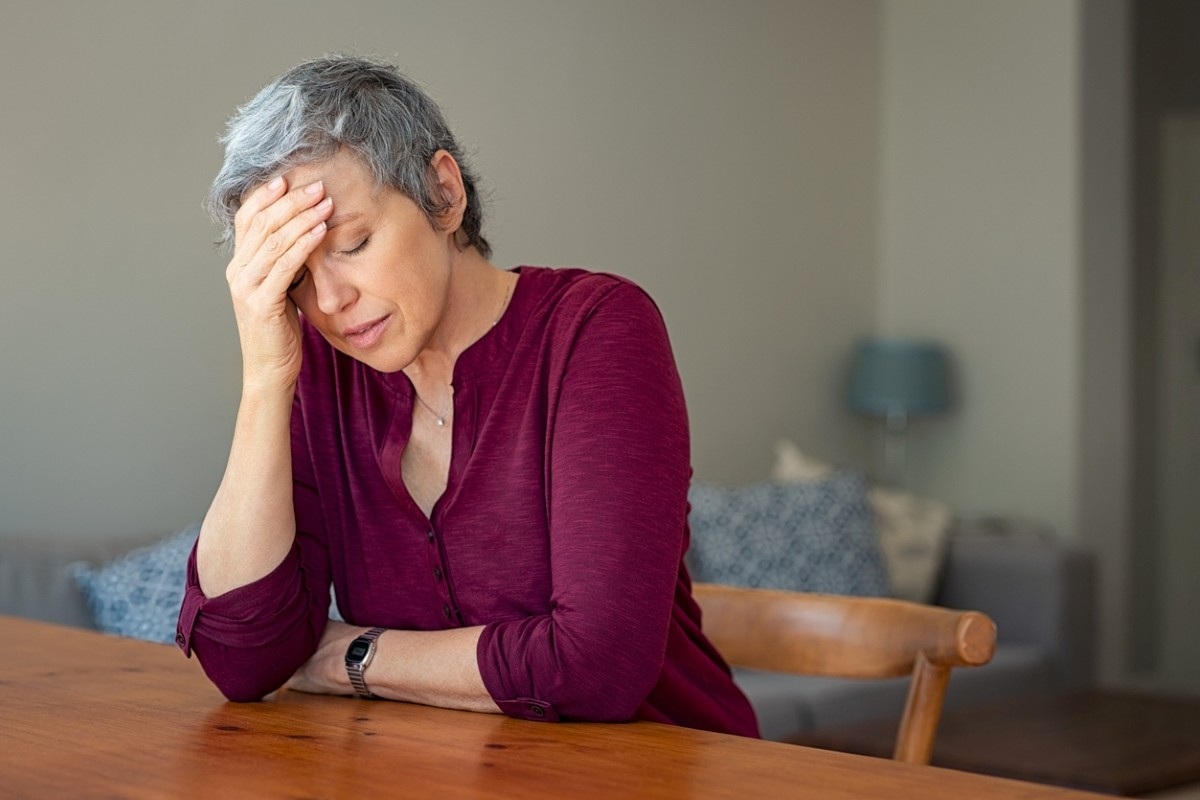
Headaches are common for many women, but when a migraine strikes, it is more than just a headache. Migraines bring throbbing pain, sensitivity to light or sound, and in many cases, nausea. For some women, these debilitating headaches seem to appear on a schedule, arriving right before or during their period. These are known as menstrual migraines.
Understanding how hormones influence migraines and learning the available treatment options can help women find relief and regain control.
What Are Menstrual Migraines?
Menstrual migraines are migraines that occur in close connection with the menstrual cycle. They typically begin two days before a period starts or within the first three days of bleeding. Research shows that about 60 percent of women who experience migraines notice a relationship between their headaches and their cycle.
Unlike other migraines, menstrual migraines are thought to be triggered primarily by changes in hormone levels, especially the drop in estrogen that occurs just before menstruation. These hormonal fluctuations make certain women more vulnerable to attacks.
Menstrual migraines can be classified in two ways:
- Pure menstrual migraine: Migraines that occur only during the menstrual window.
- Menstrually related migraine: Migraines that occur around menstruation but may also happen at other times of the month.
Both can be disruptive and painful, and both require a thoughtful approach to management.
Why Hormones Play a Role
Estrogen is more than a reproductive hormone. It also influences the brain’s chemistry, including serotonin, which affects pain pathways. When estrogen levels drop suddenly before menstruation, this change can make the brain more sensitive to migraine triggers.
Progesterone, another key hormone, may also contribute to the cycle of migraines. Together, these shifts create conditions that set off migraine activity in susceptible women.
It is important to note that not every woman with fluctuating hormones experiences migraines. Genetics, lifestyle, and other medical conditions all influence who develops them. If menstrual migraines occur along with irregular cycles, heavy bleeding, or pelvic pain, discussing these symptoms during a gynecological care visit can provide additional insight into your overall reproductive health.
Symptoms of Menstrual Migraines
Menstrual migraines share many features with other types of migraine but are often longer-lasting and harder to treat. Symptoms may include:
- Intense, throbbing head pain, often on one side
- Sensitivity to light, sound, or smell
- Nausea and vomiting
- Visual disturbances or aura in some women
- Fatigue and difficulty concentrating
- Neck stiffness
- Dizziness