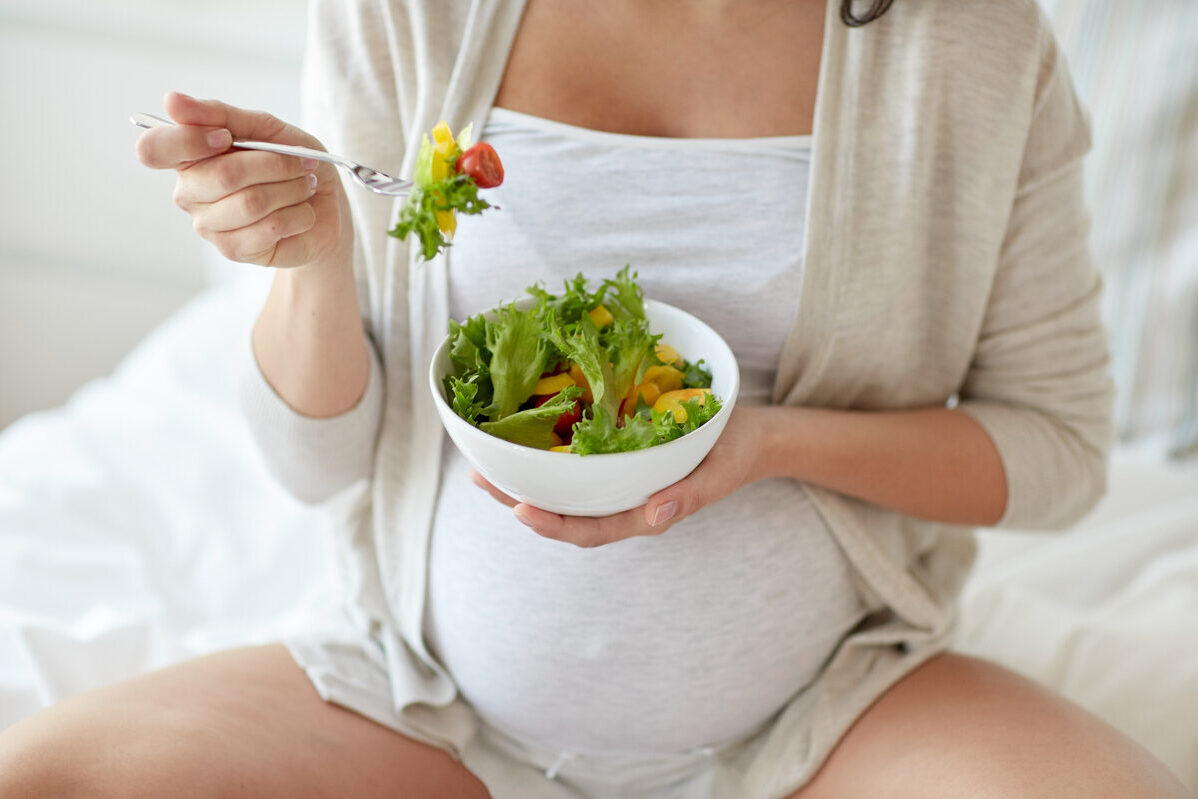
Pregnancy is a life-changing time that requires special attention to nutrition to support both maternal health and fetal development. Ensuring that both mother and child get the necessary nutrients involves understanding the role of key vitamins, supplements and protein. In this article, we will explore which nutrients are crucial during pregnancy and how to incorporate them safely into your diet. Your doctor may choose to obtain blood levels during the early stages of pregnancy to determine your predisposition to deficiencies.
Key Vitamins During Pregnancy
Folic Acid
Folic acid is vital for the development of the baby’s neural tube, which becomes the brain and spinal cord. It helps prevent major birth defects of the brain and spine. Pregnant women should aim for 400-800 micrograms (mcg) of folic acid daily. Good sources include leafy green vegetables, citrus fruits, beans and fortified cereals. Since it is challenging to get enough folic acid from diet alone, healthcare providers often recommend a prenatal vitamin that includes folic acid.
Vitamin D
Vitamin D supports healthy bones and teeth for both mother and baby by aiding the absorption of calcium and phosphorus. Pregnant women need about 600 international units (IU) of vitamin D daily. Sources include sunlight, fatty fish like salmon and fortified foods, such as milk and cereal. In some cases, vitamin D supplements may be necessary, especially for women who have limited sun exposure or dietary intake.
Vitamin C
Vitamin C assists in tissue repair, wound healing and the development of the baby’s bones and teeth. It also enhances the absorption of iron from plant-based foods. Pregnant women should aim for 85 milligrams (mg) of vitamin C daily. Excellent sources include oranges, strawberries, bell peppers and broccoli. This vitamin also plays a role in boosting the immune system, which can be particularly beneficial during pregnancy when the body’s defenses might be slightly lowered.
Other Important Vitamins
In addition to folic acid, vitamin D, and vitamin C, several other vitamins play a crucial role during pregnancy. These include:
- Vitamin A: It is essential for the development of the baby’s organs and immune system. However, it’s important to avoid excessive amounts, since high doses can cause birth defects. The recommended daily intake is 770 micrograms (mcg).
- Vitamin E: This helps with the formation of red blood cells and the use of vitamin K. Pregnant women should aim for about 15 mg per day.
- Vitamin B6: It supports brain development and helps the body use protein, fat and carbohydrates. The recommended daily intake is 1.9 mg.