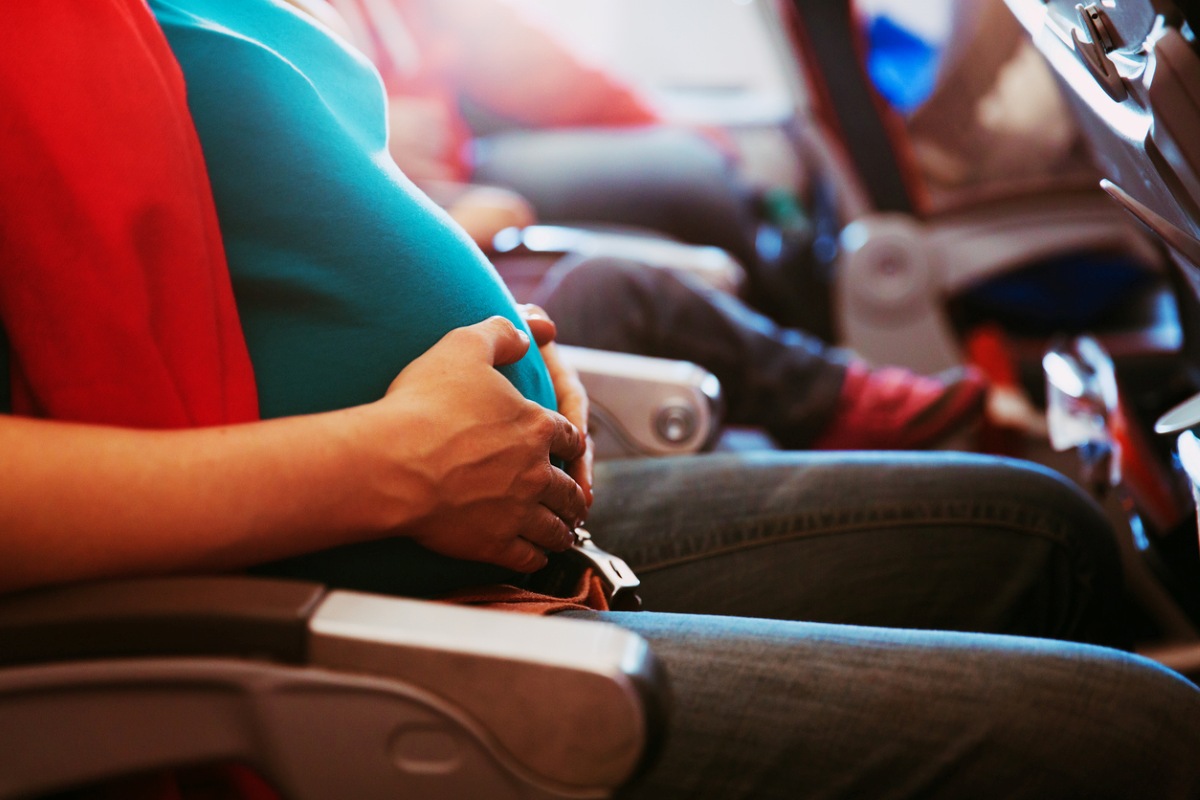
Pregnancy is a time of excitement and change, but it is also a time when many women are balancing work, family obligations, and personal plans. For some, that includes traveling—whether it is a vacation, a business trip, or a visit to loved ones. If you are pregnant, you may wonder if travel is safe, when it is best to go, and what precautions you should take.
Pregnancy does not have to put your life or plans on hold. With the right precautions, most women can travel safely and comfortably at every stage. The good news is that for most healthy pregnancies, travel is safe. With a few adjustments and thoughtful planning, you can enjoy your trip and reduce risks.
Travel During Pregnancy: General Guidelines
Aim to travel between weeks 14 and 28 if you have flexibility. Your belly is not too big yet, morning sickness is usually better, and you will have more energy for the trip.
Travel in the first trimester can be more challenging due to fatigue, nausea, and increased miscarriage risk, although it is not unsafe in most cases. The third trimester is generally safe as well, but travel becomes less comfortable and increases the risk of complications such as preterm labor. Many airlines have restrictions on flying late in pregnancy, often after 36 weeks.
Before traveling, always discuss your plans with your provider. Every pregnancy is different, and your doctor can help determine what is safest for you.
Flying During Pregnancy
Air travel is generally safe for pregnant women until about 36 weeks, provided there are no complications. Still, it requires some adjustments to make the trip comfortable and lower risks.
Tips for safer flying include:
- Book an aisle seat so you can stretch and use the restroom easily.
- Get up and walk every hour or two to reduce the risk of blood clots.
- Stay hydrated by drinking plenty of water and avoiding caffeinated beverages.
- Wear compression stockings to improve circulation.
- Fasten your seatbelt below your belly and across your hips.
Bring a doctor’s letter confirming your due date if you are over 28 weeks, as some airlines may request it at check-in. Wear your most supportive shoes and bring snacks for the flight.
Road Trips and Car Travel
Long car rides can be uncomfortable and increase the risk of swelling or blood clots. With good planning, however, you can keep the trip safe and enjoyable.