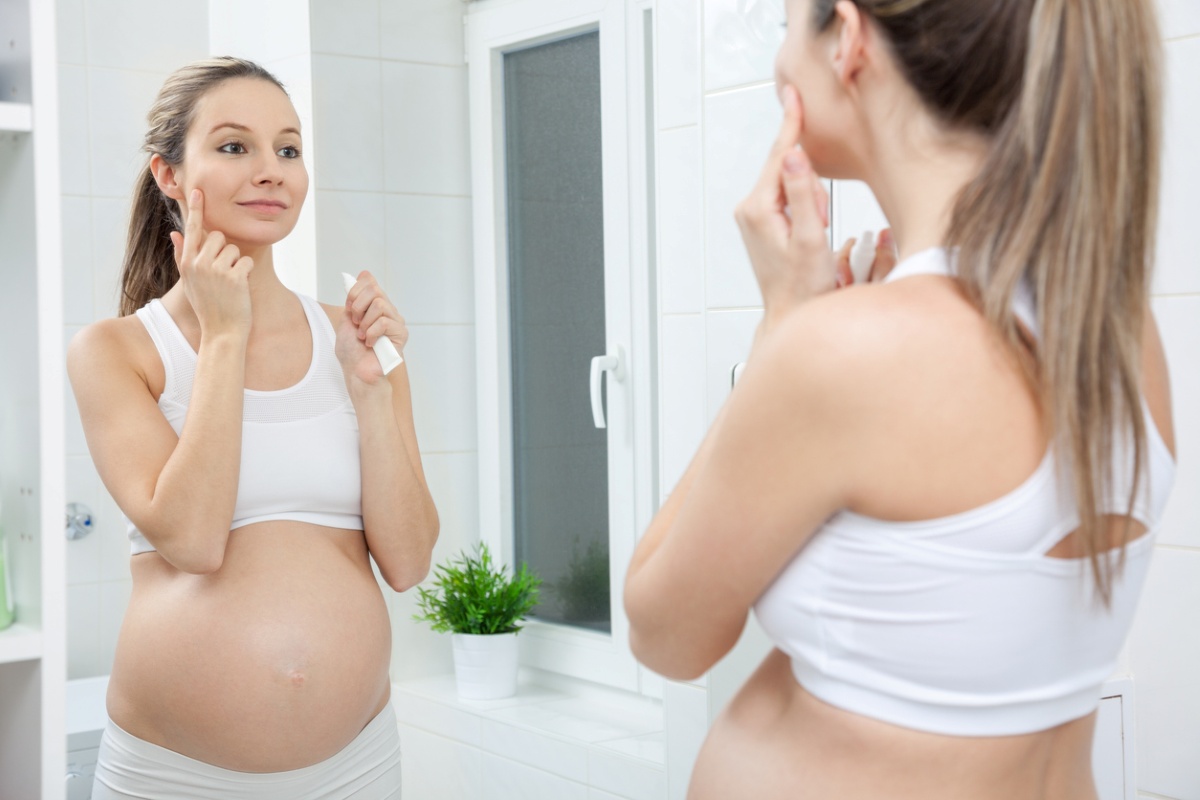
Pregnancy is a time of incredible transformation, both inside and out. As your body prepares to nurture and grow new life, many changes take place, including those you can see in the mirror. For many expectant mothers, skin changes during pregnancy can be surprising, sometimes frustrating, and often confusing.
At The Ob-Gyn Center, we understand that how you feel in your skin matters. In this blog, we’ll walk you through the most common pregnancy-related skin changes, explain why they happen, and share safe, pregnancy-friendly skin care strategies to help you feel more comfortable and confident.
Why Does Pregnancy Affect the Skin?
Skin changes during pregnancy are primarily driven by hormonal fluctuations, especially increases in estrogen, progesterone, and melanocyte-stimulating hormone. Your body also produces more blood, retains more fluid, and stretches rapidly to accommodate your growing baby. All of these shifts can influence how your skin looks and feels.
The good news is that most of these changes are temporary and will fade or improve after delivery. In the meantime, knowing what to expect and how to manage symptoms safely can make a big difference in your comfort and self-esteem.
Common Skin Changes During Pregnancy
Let’s explore some of the most common skin issues experienced during pregnancy and what causes them.
Melasma (“The Mask of Pregnancy”)
Melasma appears as dark patches or blotches, usually on the face, especially the cheeks, forehead, and upper lip. It’s caused by increased melanin production due to hormonal changes.
Melasma can be made worse by sun exposure, and while it often fades after delivery, some women may continue to see pigmentation long-term.
Management Tips:
- Wear a broad-spectrum sunscreen (SPF 30 or higher) daily, even on cloudy days.
- Wear wide-brimmed hats and seek shade when outdoors.
- Choose pregnancy-safe mineral sunscreens with zinc oxide or titanium dioxide.
- Avoid waxing the affected area, which can worsen pigmentation.