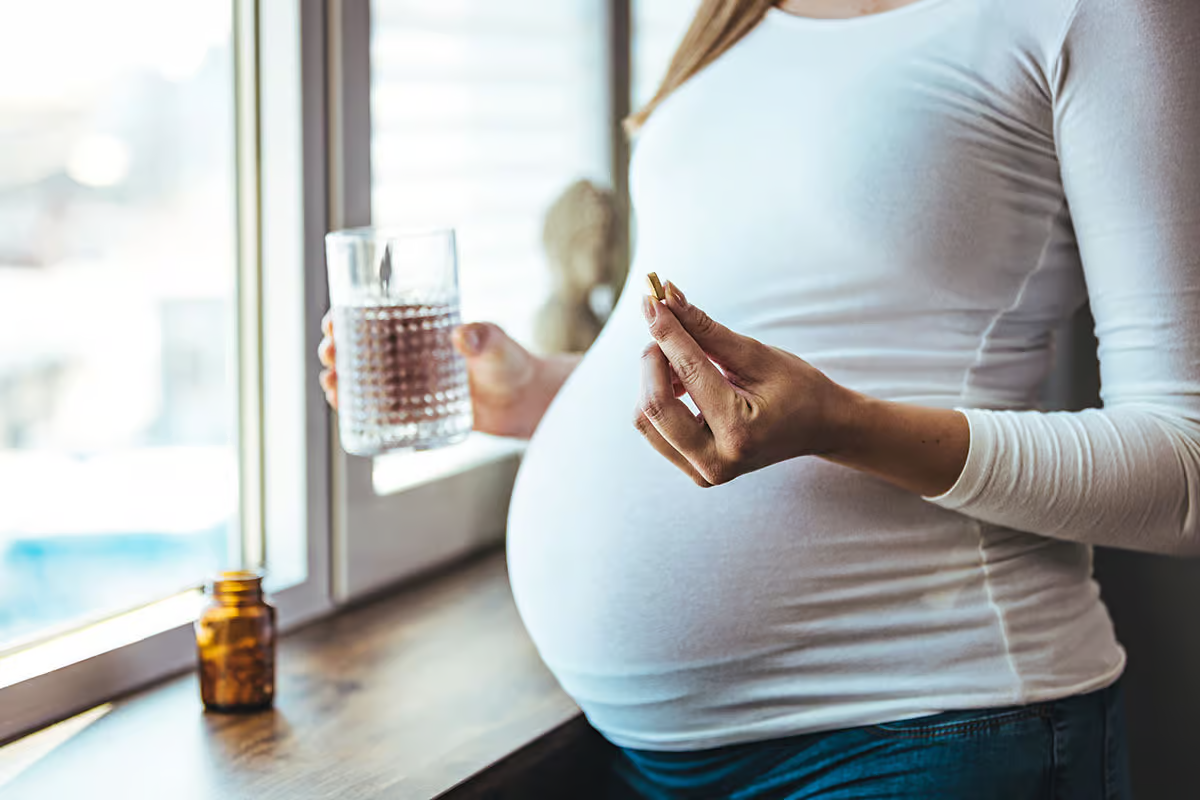
Ensuring your baby’s health begins long before they are born. Proper nutrition is one of the most effective ways to support their health and development. As an expectant mother, your diet is one of the most important factors in your baby’s growth, and prenatal vitamins are a big part of the overall picture.
While good nutrition, such as fruits, vegetables and lean protein, are very important, sometimes we don’t get the recommended dose of minerals and vitamins that we need. This is where prenatal vitamins can help. Prenatal vitamins can close the gap between the nutrients we are supposed to get and what we consume.
The following is a list of key prenatal vitamins and nutrients:
Folic Acid
Folic acid (or folate) is a well-known vitamin essential for fetal brain and spinal cord development. This B vitamin helps prevent medical complications in the baby, known as neural tube defects. These are serious abnormalities of the brain and spinal cord that babies can develop if folate is deficient in the mother’s diet. Most prenatal vitamins contain folate. However, to bolster your folic intake naturally, consider foods such as:
- Leafy greens: spinach, kale
- Citrus fruits: oranges, lemons
- Beans: black beans, lentils
- Fortified grains: whole wheat bread, fortified cereals
Iron
Iron is necessary to produce red blood cells and is used to help transport oxygen-rich blood to both you and your baby. Unfortunately, many women suffer from iron deficiency anemia while pregnant. This is when the body contains too little iron. To help combat this, women must ensure they obtain enough iron during their pregnancy. As with folic acid, iron is also included in prenatal vitamins. However, it can also be obtained in the following foods:
- Lean meats: chicken, turkey
- Seafood: salmon, shrimp
- Beans and lentils