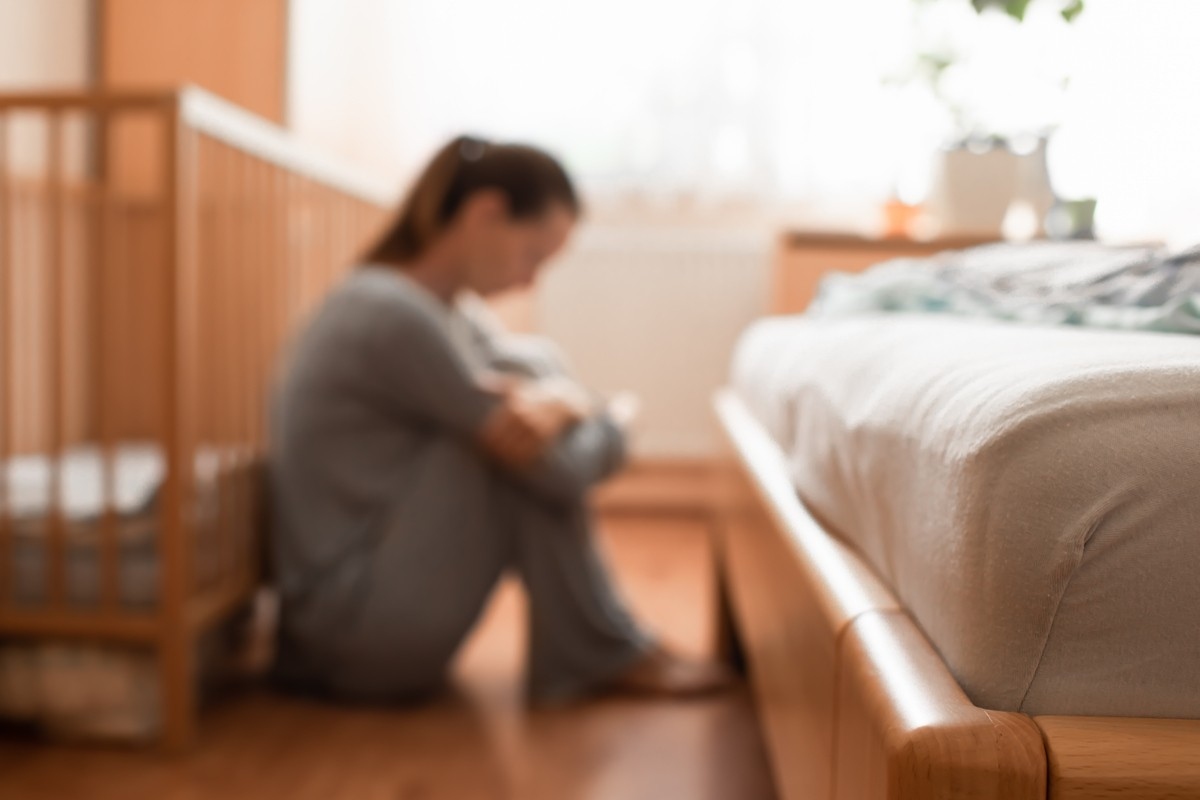
Welcoming a new baby is often described as one of life’s most joyful experiences. But for many women, it also brings unexpected emotional struggles. If you’re feeling overwhelmed, anxious, or deeply sad after giving birth, you’re not alone. Postpartum depression (PPD) is a common medical condition that affects thousands of women every year, and with the right support, it’s treatable.
What Is Postpartum Depression?
Postpartum depression is a type of mood disorder that occurs after childbirth. It can begin within a few days or weeks after delivery, though it may also develop later in the first year. PPD goes beyond the “baby blues,” which are common and typically resolve within a week or two. Unlike the baby blues, postpartum depression lasts longer and can interfere with your ability to care for yourself and your baby.
PPD affects women from all walks of life, regardless of how prepared they felt for motherhood or how much support they have. It’s not a reflection of your parenting or your love for your child. It’s a real medical condition that deserves attention and care.
Common Signs and Symptoms
Postpartum depression doesn’t look the same for everyone. Some women may feel deeply sad or hopeless. Others may feel anxious, irritable, or disconnected from their baby. Here are some of the most common symptoms to watch for:
- Persistent sadness or mood swings
- Feeling overwhelmed or unable to cope
- Difficulty bonding with your baby
- Loss of interest in activities you once enjoyed
- Fatigue or difficulty sleeping (even when the baby is asleep)
- Changes in appetite or eating habits
- Feelings of guilt, shame, or worthlessness
- Anxiety or panic attacks
- Thoughts of harming yourself or your baby
If you notice these signs in yourself or someone close to you, it’s important to speak up. The earlier you seek help, the sooner you can begin to feel better.