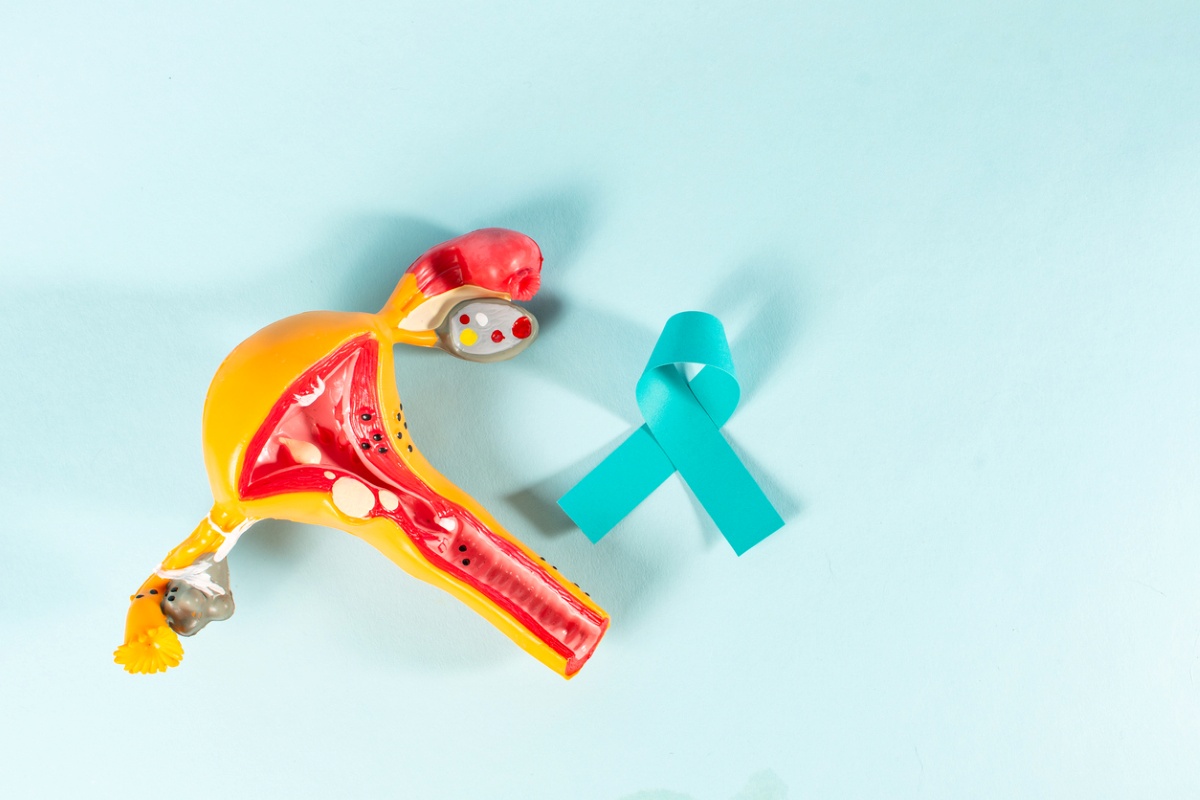
Ovarian cysts are a common part of many women’s reproductive journeys. In most cases, these fluid-filled sacs on the ovaries are harmless and go unnoticed. But sometimes, they can cause discomfort, disrupt your menstrual cycle, or raise concerns about your health. At Complete Care, we understand that hearing the word “cyst” can be unsettling. That’s why we’re here to provide clear, compassionate guidance on what ovarian cysts are, when they require attention, and what you can do to manage them.
What Are Ovarian Cysts?
Ovarian cysts are fluid-filled sacs that develop on or inside the ovaries. Many women will have an ovarian cyst at some point during their lives, often without ever realizing it. These cysts typically form during ovulation, the point in your menstrual cycle when an ovary releases an egg.
Most ovarian cysts are benign and resolve on their own. However, some can grow larger, become painful, rupture, and signal an underlying condition that requires evaluation and care.
Types of Ovarian Cysts
Not all cysts are created equal. Understanding the different types can help you know what to expect:
Functional Cysts
These are the most common type and usually form during your menstrual cycle. They are further divided into:
- Follicular cysts: Form when the follicle (which holds the egg) doesn’t open to release the egg.
- Corpus luteum cysts: Develop after an egg is released, when the follicle reseals and fills with fluid.
With treatment, most functional cysts go away on their own within a few weeks and rarely cause symptoms.
Dermoid Cysts
These are made up of different types of tissue, such as hair, skin, or teeth. They are usually benign but can grow large and cause pain.
Cystadenomas
These form from ovarian tissue and are often filled with watery or mucous-like material. They may become quite large and lead to discomfort or pressure.
Endometriomas
These cysts form in women with endometriosis when tissue similar to the uterine lining grows on the ovaries.
Polycystic Ovaries
This refers to the presence of many small cysts on the ovaries due to hormonal imbalances, often associated with polycystic ovary syndrome (PCOS). Risk factors for PCOS include:
- Family history of PCOS
- Insulin resistance or type 2 diabetes
- Obesity or being overweight
- Sedentary lifestyle
- Early onset of menstruation
- Hormonal imbalances (e.g., excess androgens)
- Inflammation or metabolic syndrome