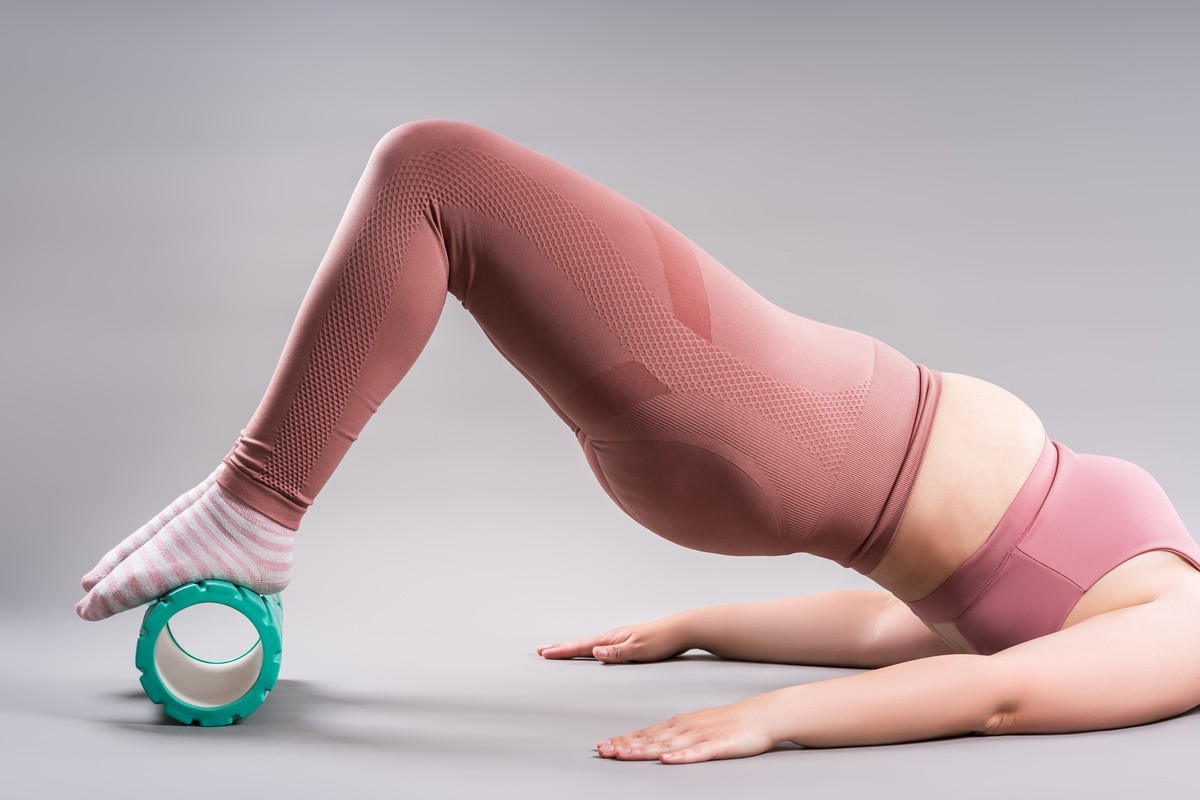
Pelvic floor physical therapy is a specialized form of treatment that focuses on the muscles, ligaments, and connective tissues that support the bladder, uterus, and rectum. When these muscles are too weak, too tight, or not coordinating properly, it can lead to a range of issues that affect daily life. Despite how common pelvic floor problems are, many women do not realize that effective, nonsurgical treatment exists.
Who Can Benefit from Pelvic Floor Therapy?
Pelvic floor therapy is not just for women who have recently had a baby, though postpartum recovery is one of the most well-known reasons people seek it out. The truth is, women at virtually every stage of life can benefit from pelvic floor therapy.
Women who experience urinary leakage when they cough, sneeze, laugh, or exercise may have stress urinary incontinence, which is one of the most common conditions treated with pelvic floor therapy. An overactive bladder that sends you rushing to the bathroom multiple times an hour is another issue that often responds well to this treatment. Pelvic organ prolapse, where the bladder, uterus, or rectum shifts downward due to weakened support, can also be managed with targeted pelvic floor rehabilitation.
Pain during intercourse is another reason women are referred for pelvic floor therapy. Conditions like vaginismus, where the muscles around the vagina involuntarily tighten, and vulvodynia, which causes chronic vulvar pain, can both improve with the right therapeutic approach. Women dealing with chronic pelvic pain, pain related to endometriosis, or difficulty with bowel movements can also find relief through this type of specialized care.
Pregnant women preparing for delivery and women going through menopause who are noticing changes in bladder control or pelvic comfort are also good candidates. Pelvic floor therapy is a form of preventive care just as much as it is a treatment.
What to Expect at Your First Visit
Walking into your first pelvic floor therapy appointment can feel a little nerve-wracking, especially since the area being treated is so personal. But knowing what to expect can help ease any anxiety.