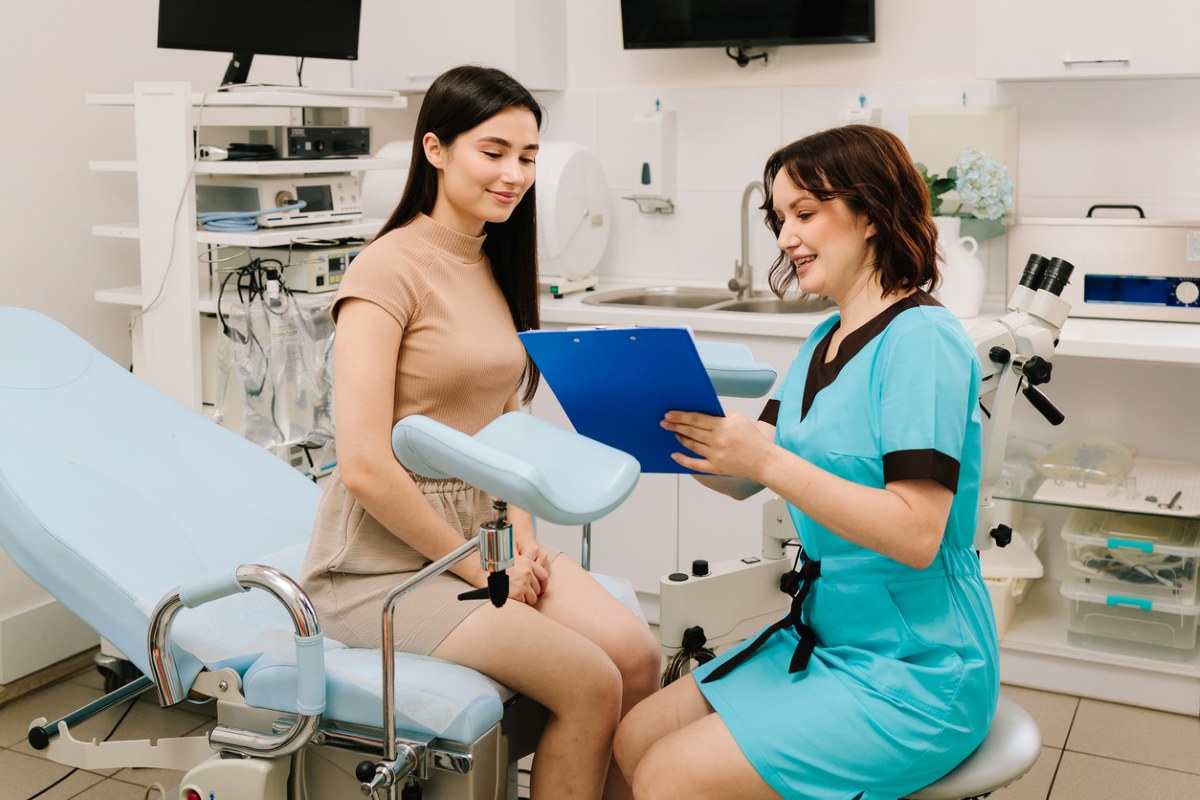
A colposcopy is a simple, in-office procedure that lets your provider get a closer look at your cervix. It is usually recommended after an abnormal Pap smear or a positive HPV (human papillomavirus) test result. While hearing that you need follow-up testing can feel stressful, a colposcopy is a routine diagnostic step that helps your provider determine whether any cervical cell changes need further attention.
Why Do I Need A Colposcopy?
Pap smears screen for changes in the cells of your cervix, and HPV tests check for strains of the virus that are most commonly linked to cervical cancer. When either of these tests comes back with abnormal results, it does not automatically mean something is seriously wrong. In many cases, the cell changes are mild and resolve on their own.
However, your provider needs more information to make that call. A colposcopy allows them to examine your cervix under magnification and identify any areas that look unusual. Think of it as a more detailed follow-up to your initial screening, not a final diagnosis. If you’re still sorting out the differences between a Pap smear and a pelvic exam, it can help to review how each one fits into your routine care.
What to Expect Before the Procedure
You do not need to do much to prepare for a colposcopy. Your provider may ask you to avoid using tampons, vaginal medications, or douches for 24 to 48 hours before your appointment. You should also try to schedule the procedure for a time when you are not on your period, since blood can make it harder to see the cervix clearly.