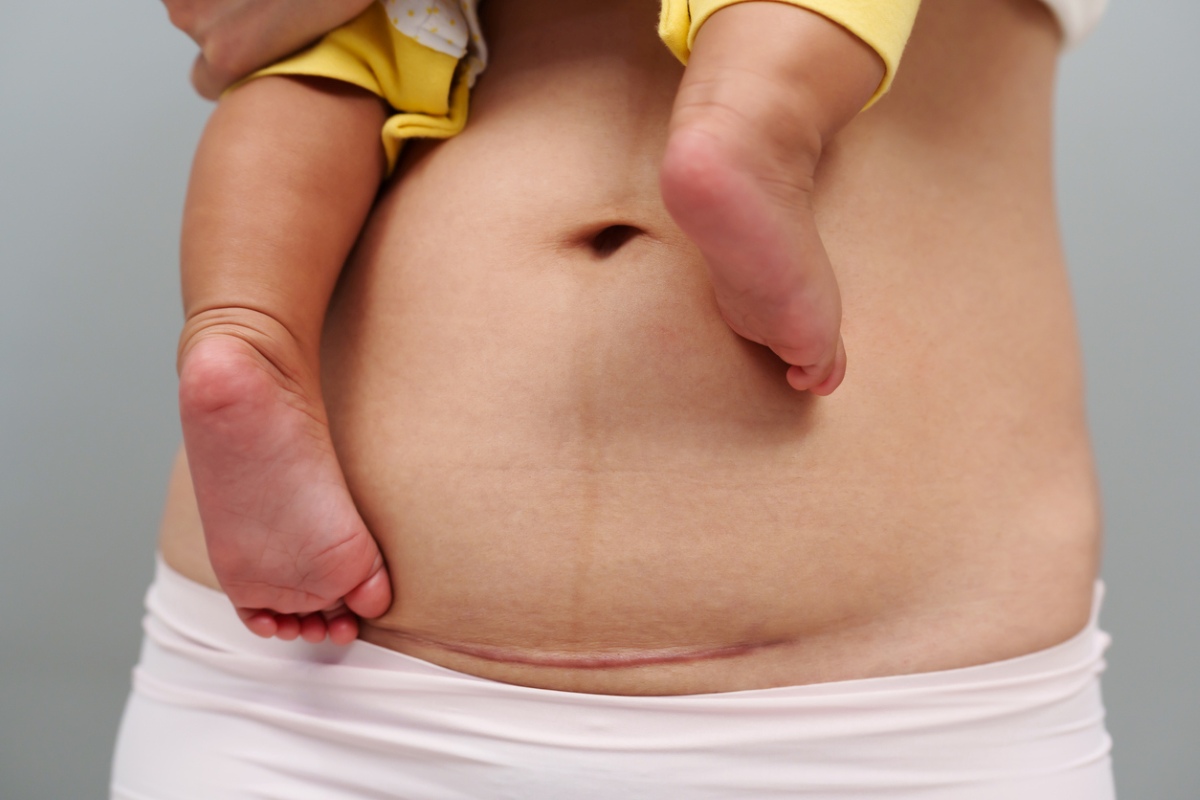
If you’ve had a cesarean delivery in the past, you might be wondering whether you can deliver vaginally with your next pregnancy. The answer for many women is yes. A vaginal birth after cesarean, commonly called VBAC, is when you deliver your baby through the birth canal after a previous C-section.
VBAC has become a safe and well-supported option for many pregnant women. But it’s not the right fit for everyone. Understanding who qualifies, what the benefits and risks look like, and what to expect during labor can help you feel more confident about the decision.
Who May Be a Good Candidate for VBAC
Not every woman who has had a C-section will be a candidate for VBAC, but many are. Your provider will look at several factors when helping you decide. Women who had a low transverse (horizontal) uterine incision during their previous cesarean are generally the best candidates. Having had a successful vaginal delivery before, either prior to or after a C-section, also works in your favor.
Other things your provider will consider include how many cesarean deliveries you’ve had, the reason for your previous C-section, how much time has passed between pregnancies, and whether you have any current pregnancy complications. Women carrying multiples or those who have had a classical (vertical) uterine incision are typically not recommended for VBAC due to a higher risk of uterine rupture. Complete Care OB/GYN offers VBAC counseling to help you understand your specific options.
Benefits of Choosing VBAC
There are advantages to a successful vaginal delivery after cesarean. Recovery time is usually shorter compared to a repeat C-section, and most women experience less pain afterward. You’ll likely spend less time in the hospital and can return to your normal routine sooner.