Uterine fibroids are noncancerous growths that develop in or on the uterus. They are extremely common, affecting up to 80% of women by the age of 50, and many women have them without ever knowing. For others, fibroids can cause heavy periods, pelvic pressure, pain, or fertility concerns that can interfere with daily life.
Because fibroid symptoms can overlap with other gynecologic issues, it helps to understand what they are, how they show up, and what your options look like if treatment becomes necessary.
What Are Uterine Fibroids?
Fibroids are growths made of muscle and fibrous tissue. You may also hear them called leiomyomas or myomas. They can be as small as a seed or large enough to change the shape of the uterus.
They can grow in different spots. Some develop inside the uterine wall, some on the outer surface, some within the uterine cavity, and some attach to the uterus by a stalk. Where a fibroid grows is important because location often drives the type of symptoms you experience.
For example, fibroids that press into the uterine cavity are more likely to cause heavy bleeding. Fibroids on the outer surface tend to cause more pressure-related symptoms.
Why Fibroids Develop and Who Is at Risk
Fibroids are closely linked to the hormones estrogen and progesterone, which is why they tend to grow during the reproductive years and often shrink after menopause. Genetics also play a role. If close family members have had fibroids, your risk may be higher.
There is no single cause, and having fibroids does not mean you did anything wrong. They are one of the most common gynecologic conditions, and in most cases, they are manageable.
Common Symptoms of Uterine Fibroids
Some women have fibroids and never notice them. Others develop symptoms that build gradually over time.
Heavy or prolonged periods are one of the biggest signs of uterine fibroids. You may notice that you are soaking through pads or tampons faster than before, bleeding longer than usual, or passing clots. Over time, heavy bleeding can lead to iron-deficiency anemia, which causes fatigue, dizziness, and shortness of breath.
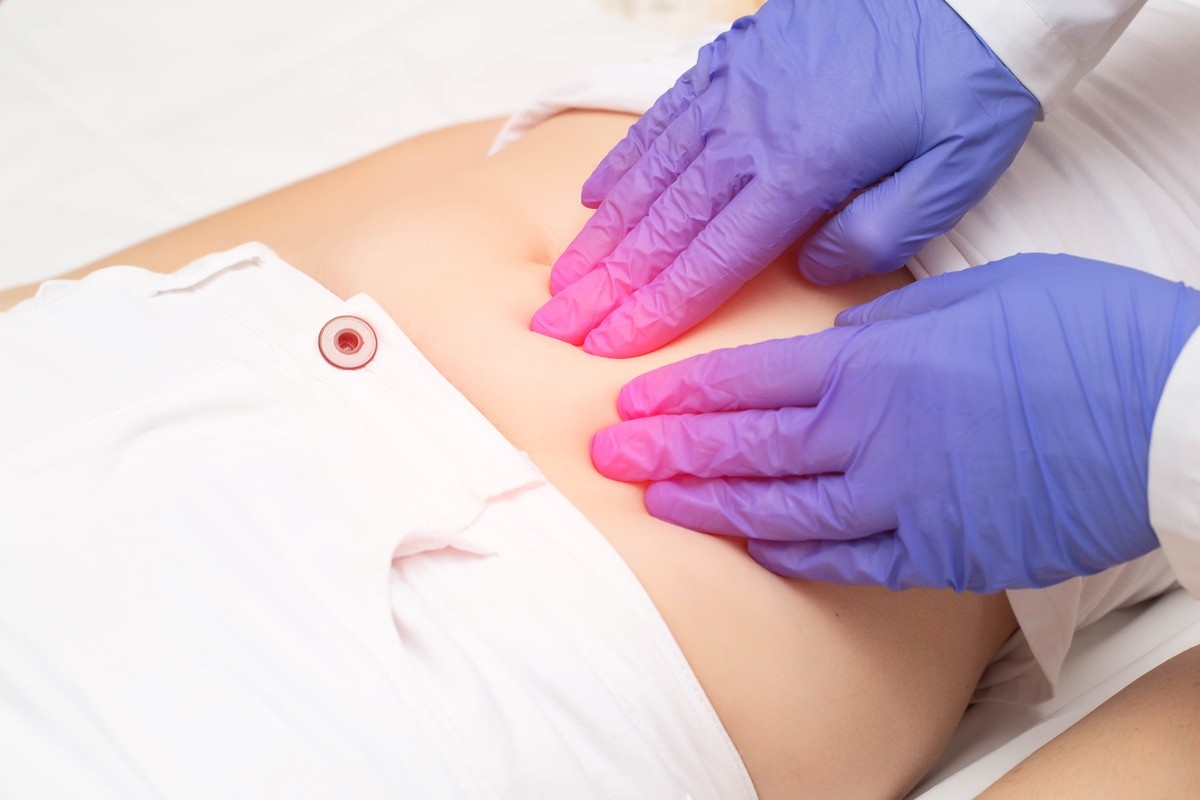
Pelvic pressure is another common complaint. Fibroids can make the lower abdomen feel full or heavy. If they press on the bladder, you may need to urinate more often. If they press on the bowel, constipation may get worse.
Pain varies from person to person. Some women have more intense cramping during periods. Others have pelvic pain that is not tied to their cycle at all. Fibroids can also cause discomfort during sex, especially with deep penetration.