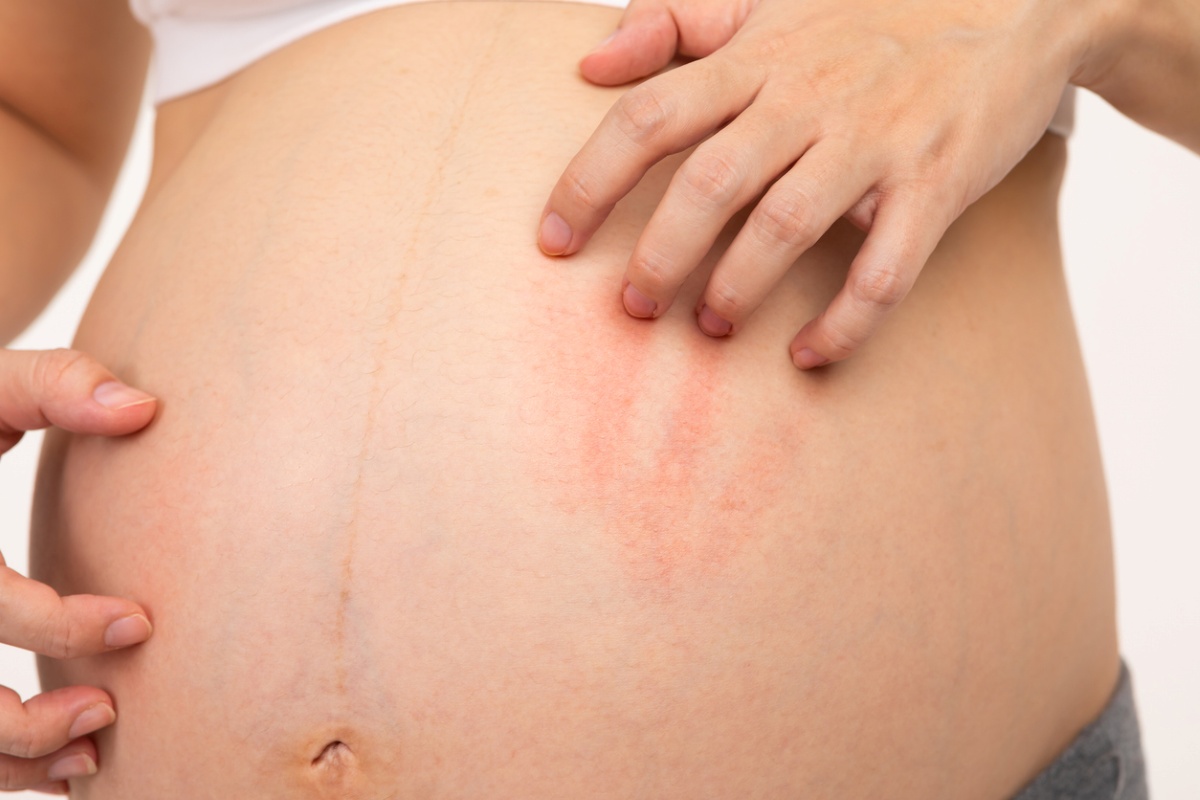
Itching is common during pregnancy and is usually harmless. Most of the time, it is caused by normal skin stretching, dryness, or hormonal changes. But there is one condition where itching serves as an important warning sign: intrahepatic cholestasis of pregnancy, often shortened to cholestasis. This is a liver condition that develops when bile flow slows down, allowing bile acids to build up in the bloodstream. Cholestasis is treatable and manageable, especially when it is caught early, but it does require monitoring and may affect your delivery plan.
What Happens During Cholestasis
Bile is a substance made by the liver that helps your body digest fats. During pregnancy, hormonal changes can slow bile flow. When bile does not move through the liver properly, bile acids accumulate in the blood. That buildup is what causes the intense itching that most patients notice first.
Cholestasis usually develops in the third trimester, though it can appear earlier. It is more common in women who have had the condition in a previous pregnancy, those with a family history, women carrying multiples, and those with certain liver or gallbladder issues. That said, it can happen to anyone. Symptoms typically improve quickly after delivery as hormone levels drop and bile flow returns to normal.
How Cholestasis Itching Feels Different
Many women describe cholestasis itching as deeper and more persistent than itching associated with typical dry skin. It is often worse at night, which can significantly disrupt sleep. A common pattern is itching concentrated on the palms of the hands and the soles of the feet, though it can also affect the arms, legs, or torso.
Unlike many skin conditions, cholestasis itching may occur without a visible rash. If you do notice a rash, it may be from scratching rather than the condition itself. Moisturizers and typical remedies usually do not provide relief. If your itching is intense, worsening, or focused on your palms and soles, ask your provider whether bile acid testing is appropriate.
Other Symptoms to Watch For
Itching is the hallmark complaint, but some women notice additional signs of cholestasis. These can include dark urine, light or pale-colored stools, unusual fatigue, nausea, or reduced appetite. Yellowing of the skin or eyes is less common but can occur. These symptoms can also happen for other reasons during pregnancy, which is why testing is essential. If you notice yellowing of the skin or eyes, new severe nausea, or abdominal pain, contact your provider promptly.