Fertility basics that matter at every age
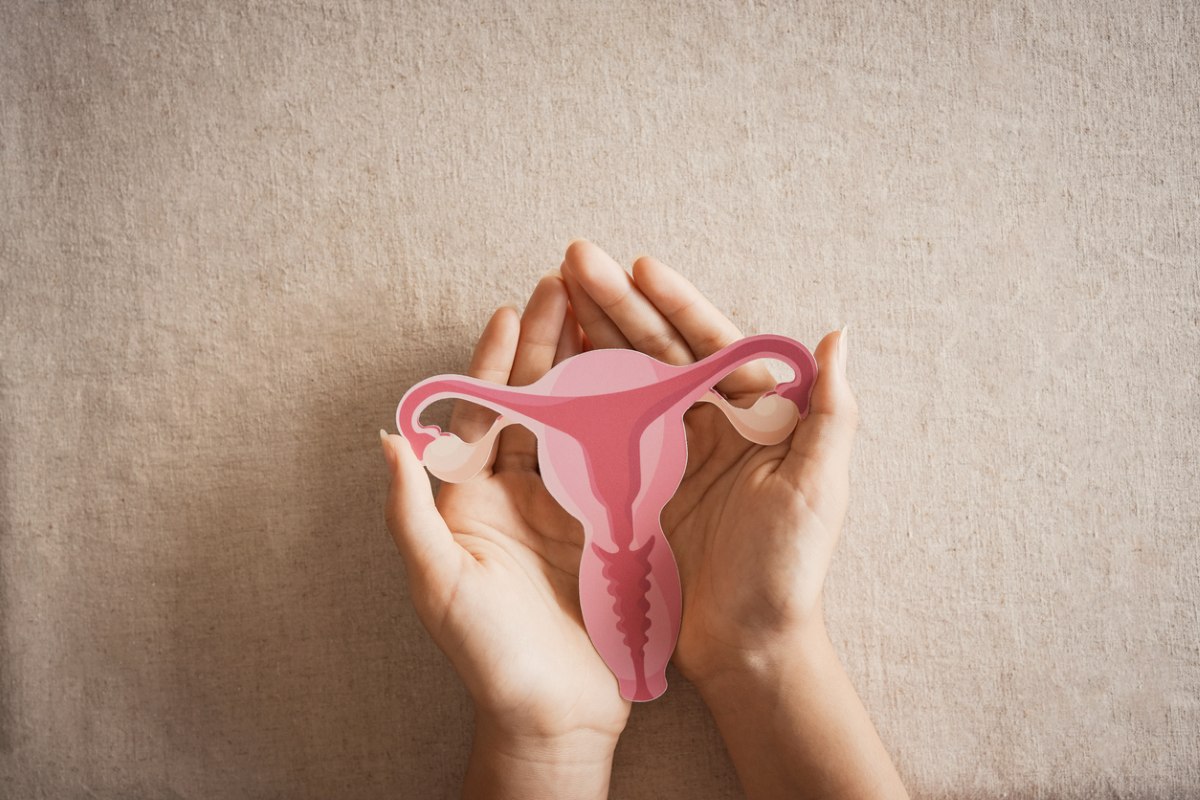
Fertility depends on several mechanisms working together: ovulation, healthy eggs, open fallopian tubes, and a uterus that can support implantation. Sperm health is a major part of the picture, so it helps to think of fertility as shared.
A typical cycle includes hormones that help an egg mature and release (ovulation). After ovulation, progesterone supports the uterine lining. If pregnancy does not happen, hormone levels drop, and a period begins.
One important reality is that even with good timing, pregnancy often takes time. Many people who are otherwise healthy do not conceive in the first month. Understanding timing and knowing when to seek help can reduce stress and prevent delays when care is needed.
Fertility in your 20s: what is often typical
In general, your 20s are considered peak reproductive years. Ovulation is the most consistent at this stage of life, and egg quality tends to be higher compared with later decades. Many people still experience cycle changes or irregularity, but age-related decline is usually not the main issue at this stage.
If you are trying to conceive in your 20s, tracking your cycle can be a useful first step. If your periods are very irregular, extremely painful, or unusually heavy, it is worth discussing with your OB/GYN. Those symptoms can sometimes point to underlying conditions that may affect fertility, and early evaluation can be helpful.
Fertility in your 30s: gradual changes may start
Fertility does not suddenly change at 30, and many people conceive naturally throughout their 30s. That said, egg supply and egg quality typically decline gradually over this decade, so it may take longer to conceive than it would have earlier. Miscarriage risk also increases with age, which is one reason providers may recommend evaluation sooner as you get older.
You might notice subtle changes such as slightly shorter cycles, more month-to-month variation, or ovulation that is harder to predict. If you have known risk factors like endometriosis, fibroids, prior pelvic infection, or pelvic surgery, it may be wise to discuss fertility planning early, even before you start trying.
Fertility in your 40s: timing often matters more
In your 40s, fertility typically declines more significantly. This is largely related to fewer eggs being available and a higher likelihood of chromosomal changes in eggs, which can make conception harder and increase miscarriage risk. Pregnancy can still happen, but many people benefit from earlier guidance.
Cycles may become less predictable as perimenopause approaches. Some people notice skipped periods, longer or shorter cycles, or symptoms like sleep disruption or hot flashes. When cycles are irregular, calendar-based predictions are less reliable, so using more than one tracking method may be more useful if you are trying to conceive.