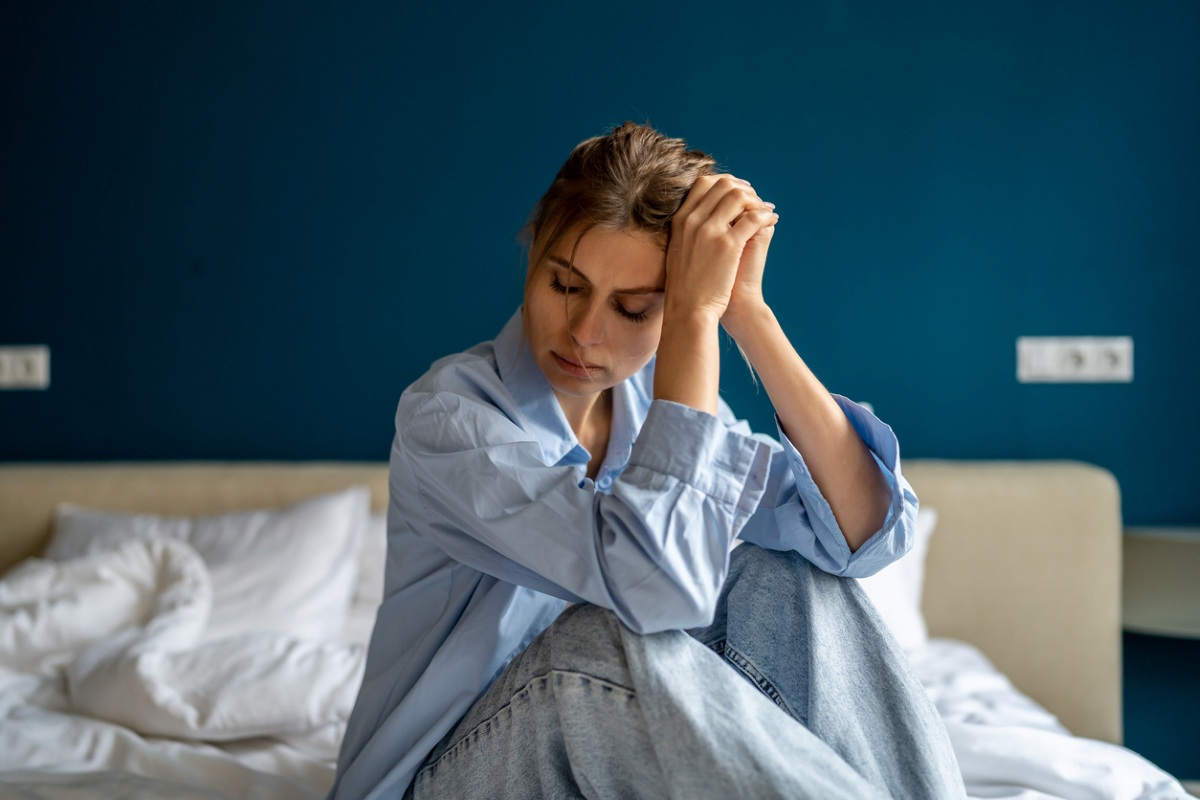
If you are trying to conceive, it is easy to be affected by stress. You may be tracking ovulation, watching for pregnancy symptoms, and wondering if stress is making conception more difficult. Many people notice their periods change during stressful times in their lives, which can lead to a common question: Can stress actually affect fertility?
Research suggests that chronic stress can affect hormones and ovulation in some people, especially when it disrupts sleep, appetite, exercise habits, or overall health. Stress does not cause infertility in a simple, direct way, but it can contribute to cycle disruption and make it harder to time intercourse, which matters when you are trying to get pregnant. The good news is that there are practical steps that can help.
How stress interacts with hormones
Stress is not just a feeling. It is a whole-body response. When you experience ongoing stress, your brain signals the release of stress hormones, including cortisol. These hormones are helpful in short bursts, but when stress becomes chronic, the stress response can start to interfere with other hormone pathways, including those involved in reproduction.
Ovulation depends on a coordinated set of signals between the brain and ovaries. When stress is high, those signals can become less predictable. Some people may still ovulate regularly under stress, while others may notice later ovulation, shorter or longer cycles, or skipped periods. Stress is often one piece of a bigger picture, which is why looking at your overall cycle pattern matters.
Can stress stop ovulation or delay your period?
Yes, it can, especially with significant or prolonged stress. When stress affects the hormones that regulate your cycle, ovulation may happen later than expected or not at all in a given month. If ovulation is delayed, your period is likely to be delayed as well, since it typically occurs about 2 weeks after ovulation.
It is also common for stress to change other parts of your cycle, such as bleeding patterns or premenstrual syndrome (PMS) symptoms. However, stress is not the only reason cycles change. Illness, travel, weight changes, intense exercise, thyroid issues, and conditions like polycystic ovary syndrome (PCOS) can also affect ovulation.
If your period is late, it is reasonable to consider pregnancy first if you are trying to conceive. If pregnancy is not the explanation and stress has been high, stress may be a factor, but it is still important to look at the full context.
Stress and conception: what research suggests
Stress can affect fertility in a few indirect ways. If stress delays ovulation, it can make timing intercourse harder. Stress can also contribute to sleep disruption, appetite changes, reduced libido, and relationship tension, all of which can affect how often intercourse happens during the fertile window.
Some studies suggest an association between higher stress levels and a longer time to pregnancy. Still, it is not always clear whether stress is the cause or the result of the experience of trying without success. In other words, it is common to feel more stressed the longer it takes to conceive.
A useful takeaway is this: stress management is not a cure for infertility, but it can support healthier cycles, improve daily well-being, and make the trying-to-conceive process more sustainable.