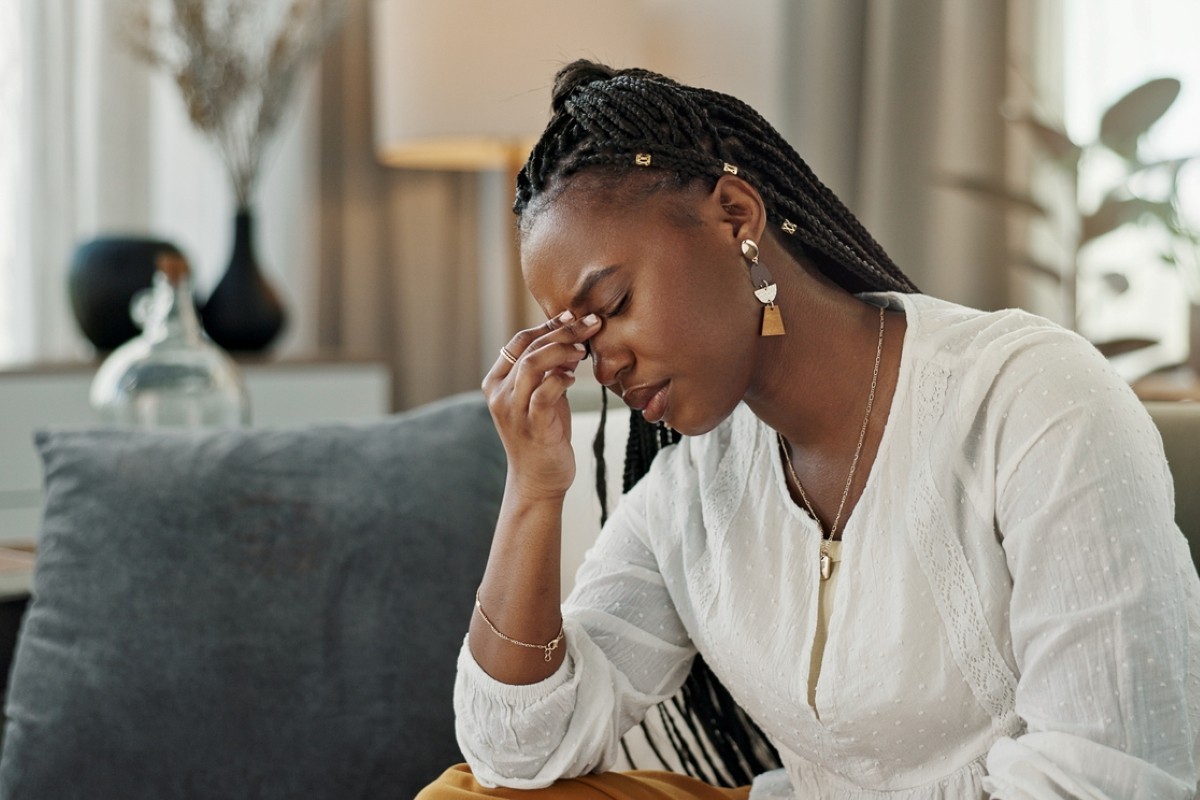
Stress is part of life, but when it becomes constant, you may experience signs that something is off. You might notice changes in your sleep, appetite, energy, mood, or menstrual cycle. For some women, stress shows up as headaches or stomach issues. For others, it looks like a late period, low libido, or feeling “wired but tired.”
While stress has real, physical effects, there are practical ways to feel better. It also helps to know when symptoms may be stress-related and when they may require a medical check.
What stress does to the body
When you’re stressed, your brain triggers a response that releases hormones like cortisol and adrenaline. This response is helpful in the short term, but ongoing stress can make it harder for your body to return to baseline. Over time, it can affect sleep quality, immune function, blood pressure, and the balance of hormones involved in your cycle.
Common signs of stress in women
Stress can look different from person to person, but many women notice a mix of physical and emotional symptoms. You may feel more irritable, on edge, or overwhelmed. You might also notice physical symptoms that seem unrelated.
Common stress-related symptoms include:
- Fatigue
- Trouble sleeping
- Headaches
- Muscle tension
- Stomach discomfort
- Changes in appetite
Some women notice acne flare-ups or skin sensitivity. Others feel a racing heart, chest tightness, or shallow breathing, especially during anxious moments. These symptoms can overlap with other health conditions, which is why persistent or severe symptoms should not be ignored.
How stress can affect your menstrual cycle and hormones
Stress can influence the hormones that help regulate ovulation and menstruation. If ovulation is delayed or does not happen in a given cycle, your period may come later than expected.
Stress can also contribute to spotting, heavier or lighter bleeding than usual, or more noticeable pre-menstrual syndrome (PMS) symptoms. If you already have a condition like polycystic ovary syndrome (PCOS) or thyroid disease, stress may make those symptoms feel more intense, even though stress is not the root cause.
A late period has many possible explanations besides stress, including pregnancy, thyroid changes, significant weight shifts, and other hormone-related issues. If your cycle changes repeatedly, it is worth having your menstrual irregularities evaluated.