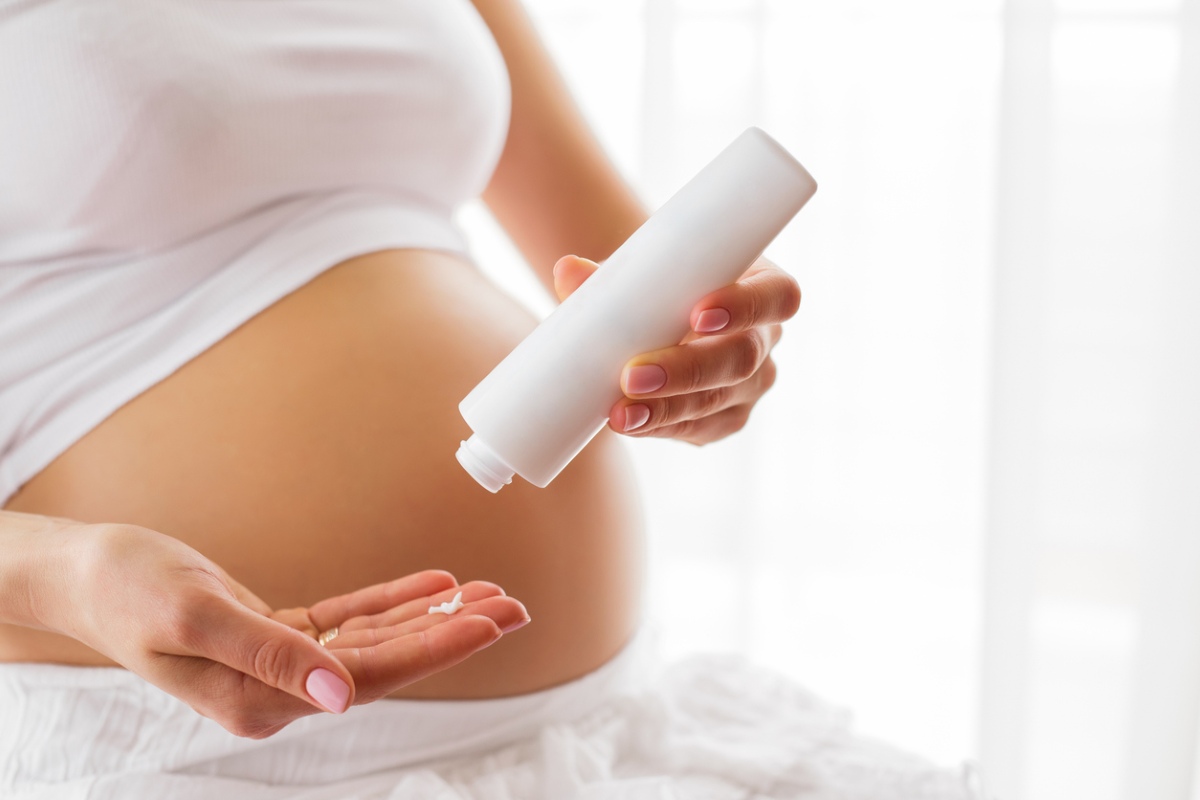
Pregnancy is a transformative journey, and along with the many changes happening in your body, your skin undergoes significant shifts too. From the radiant “pregnancy glow” to unexpected sensitivities, these changes are largely influenced by hormonal fluctuations, increased blood flow, and the stretching of your growing belly.
Here’s what you need to know about common skin changes during pregnancy and how to care for your skin safely.
Common Skin Changes During Pregnancy
The Pregnancy Glow
The increased blood flow and oil production during pregnancy can give your skin a radiant appearance. However, this glow may also lead to breakouts or greasiness.
Care Tip: Stick to a gentle, non-comedogenic cleanser to prevent clogged pores without over-drying your skin.
Hyperpigmentation and Melasma
Dark patches, known as melasma or the “mask of pregnancy,” often appear on the face. You may also notice a dark line down your abdomen, the linea nigra.
Care Tip: Use a pregnancy-safe mineral sunscreen with zinc oxide or titanium dioxide daily to protect your skin from UV damage, which can worsen pigmentation.
Stretch Marks
As your belly grows, the skin stretches, leading to stretch marks on the stomach, thighs, breasts, or hips.
Care Tip: Keep skin moisturized with products containing shea butter or cocoa butter. While they won’t prevent stretch marks completely, they can improve skin hydration and comfort.
Acne and Oiliness
Hormonal fluctuations can cause breakouts, especially during the first trimester.
Care Tip: Opt for products with azelaic acid or glycolic acid, which are generally considered safe during pregnancy. Avoid harsh exfoliants and always check with your OB/GYN before introducing new treatments.
Sensitive or Itchy Skin
Skin stretching and hormonal changes can lead to dryness, irritation, or itchiness. This is usually mild and manageable, but in some cases, severe or persistent itching may indicate a medical condition like intrahepatic cholestasis of pregnancy (ICP) or pruritic urticarial papules and plaques of pregnancy (PUPPP).
Care Tip: Use fragrance-free, hypoallergenic moisturizers and avoid hot showers, which can dry out your skin further.
When to Call Your Doctor:
Report itchiness to your doctor if:
- It becomes severe or persistent.
- It worsens at night.
- It is accompanied by symptoms like a rash, yellowing of the skin or eyes, or dark urine.
Spider Veins and Varicose Veins
Increased blood flow and pressure on veins can cause spider veins or varicose veins, particularly on the legs.
Care Tip: Stay active, elevate your legs when resting, and wear compression stockings if needed. Avoid standing for extended periods.