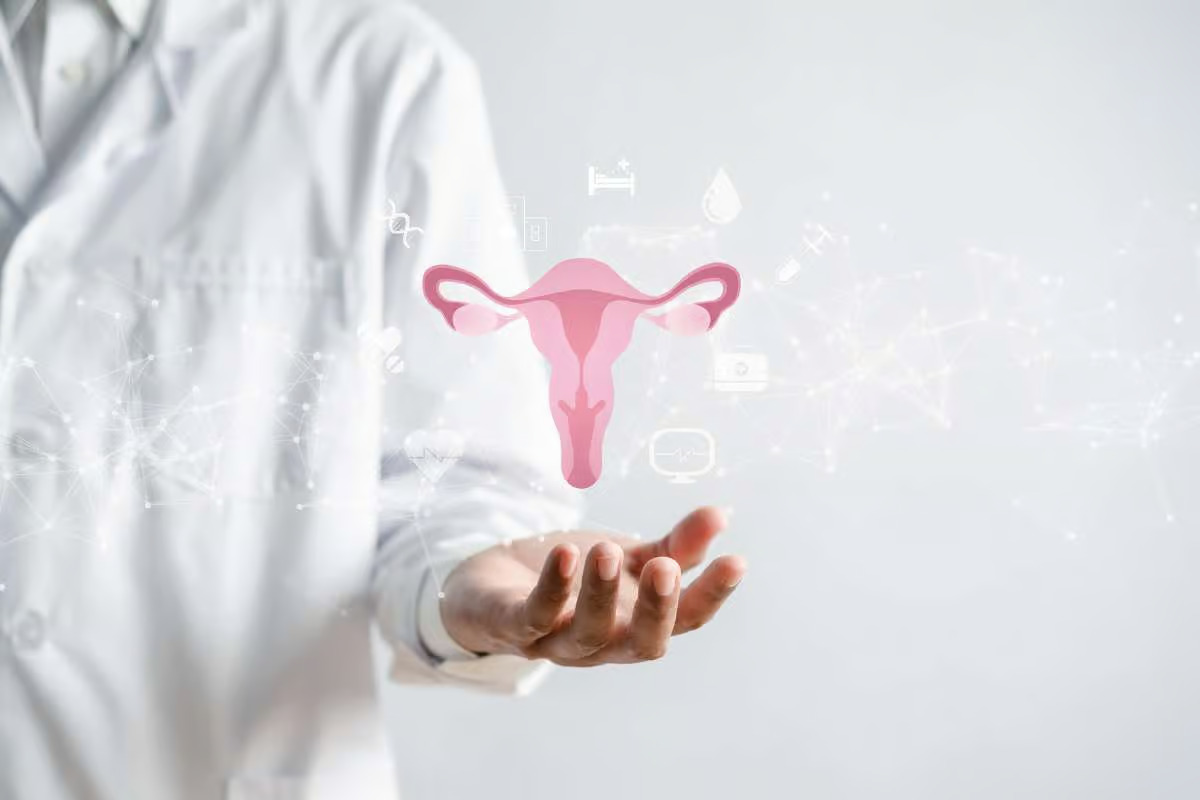
Polycystic Ovary Syndrome (PCOS) is a common condition that affects many women of reproductive age. Despite its prevalence, it remains a source of confusion and concern for many people. Therefore, understanding what PCOS is, how it’s diagnosed, and ways to manage the condition can make a significant difference to those women who are affected.
What is PCOS
PCOS is a hormonal disorder characterized by the presence of multiple small cysts on the ovaries. The condition results in hormonal imbalances and irregular menstrual cycles and can affect a woman’s ability to conceive. PCOS can also lead to other health issues if not managed appropriately.
Symptoms of PCOS
In Polycystic Ovary Syndrome, the normal regulation of some hormones becomes disrupted. This can lead to symptoms such as:
- Irregular menstrual cycles -Women with PCOS often experience infrequent or absent periods.
- Hirsutism – Hirsutism is another term for excessive hair growth. In PCOS, excessive hair growth is particularly prominent on the face, chest and back.
- Acne and oily skin – Hormonal imbalances can lead to persistent acne and overly oily skin.
- Hair thinning or balding – Some women with PCOS experience hair thinning, similar to male-pattern baldness.
- Weight gain – PCOS can make it challenging to maintain a healthy weight or lose weight. Weight gain is a common symptom of PCOS.