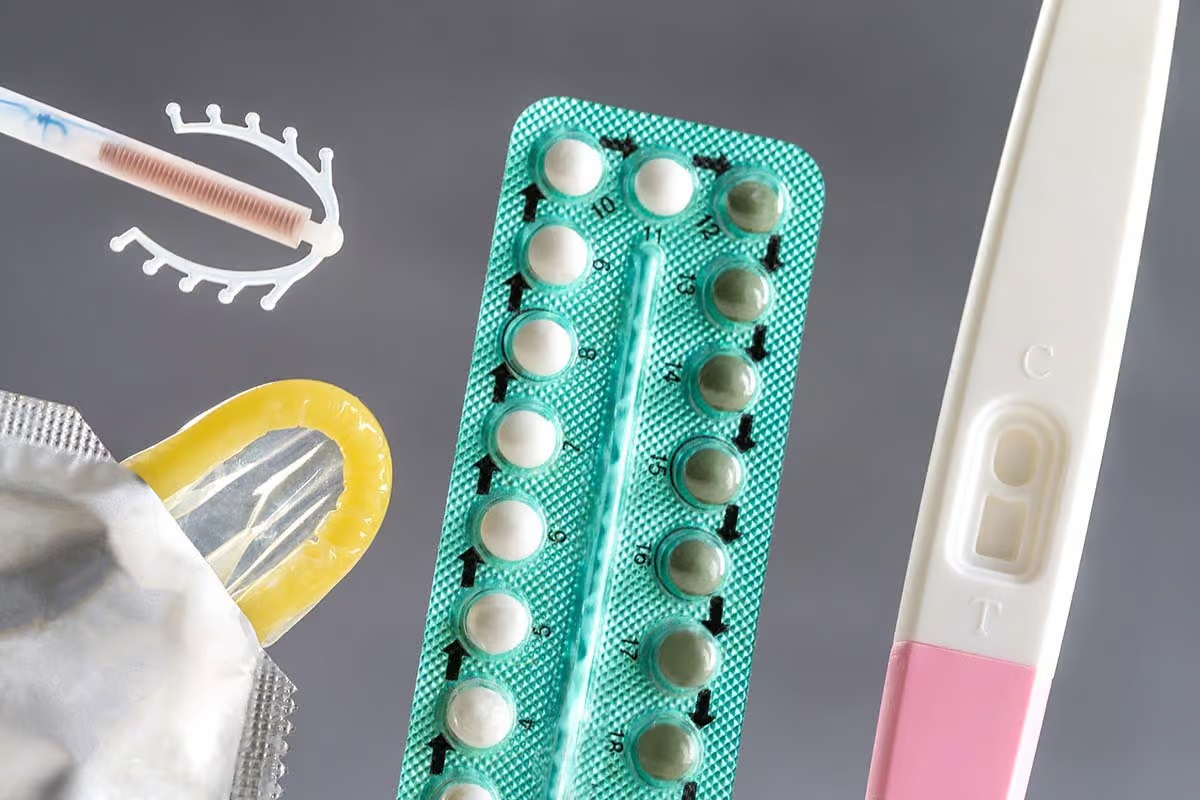
Choosing the right contraceptive is an important decision that can have a significant impact on your reproductive health and family planning goals. Yet, with so many options available, it’s easy to get overwhelmed about what option to choose and which ones will work best. Additionally, factors such as your health needs, lifestyle, and personal preferences should also be taken into account. So here is an in-depth look at various contraceptive methods available alongside their pros and cons.
Birth Control Pills
One of the most common forms of birth control used by women is the birth control pill. Pills are oral contraceptives that contain hormones (estrogen and progestin) that prevent unwanted pregnancy. Birth control pills are taken on a daily basis. However, for maximum effectiveness, they need to be taken at the same time every day.
- Pros – When taken correctly, pills are 99% effective at preventing unwanted pregnancy. Additionally, some women find that the pill improves period pain and other symptoms linked to periods, such as headaches.
- Cons – Pills must be taken daily. They are not an ideal option for those who will have difficulty remembering to take pills.
Contraceptive Patch
The contraceptive patch is a small square patch (~5cm by 5cm) that is worn on the skin in a discrete area such as the upper arm or back. It prevents pregnancy by releasing the hormones estrogen and progestogen into the blood. The patch is worn for seven days and then replaced with a new one.
- Pros – No requirement to take medication on a daily basis. A good option for those who want a simple method of contraception but do not want the injection or implant. The patch is 99% effective with correct usage.
- Cons – The patch must be replaced every seven days. Additionally, the patch may cause skin irritation or other side effects similar to birth control pills.