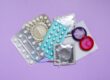
Navigating the world of birth control can feel overwhelming, especially with so many options available. Whether you’re planning for the future, focusing on your health, or considering your lifestyle, it’s essential to choose a method that aligns with your needs. This guide will explore various birth control options, providing practical insights to help you make an informed decision.
Understanding Your Options
Hormonal Methods
Hormonal birth control methods are among the most common and include pills, patches, injections, rings and implants. These methods work by regulating hormones to prevent ovulation, thicken cervical mucus, or thin the uterine lining. Let’s delve into some specific examples for each method.
- Birth Control Pills: Birth control pills are taken daily and contain either a combination of estrogen and progestin or progestin alone.
- Combination Pills: Examples include brands like Ortho Tri-Cyclen, Yasmin and Loestrin. These pills contain both estrogen and progestin, offering the added benefit of regulating menstrual cycles and reducing acne for some users. They are effective when taken consistently but
- require daily commitment. Missing pills or taking them irregularly can reduce their effectiveness and increase the risk of unintended pregnancy.
- Progestin-Only Pills (Mini-Pills): A well-known example is Camila or Micronor. These pills are an option for women who cannot take estrogen due to medical reasons, such as a history of blood clots. They primarily work by thickening cervical mucus, making it difficult for sperm to reach the egg. Progestin-only pills must be taken at the same time every day to maintain their effectiveness.
- The Patch: The birth control patch is a small, adhesive patch worn on the skin that releases hormones over the course of a week. Xulane and Twirla are examples of this method. The patch is typically applied to the buttocks, abdomen, upper arm, or back and is replaced weekly. After three weeks, a patch-free week allows for a menstrual period. This method is convenient for those who prefer not to take a daily pill, but it may be less effective for women who weigh more than 198 pounds (90 kg).
- Injections: Birth control injections, such as Depo-Provera, are administered every three months. This method offers a longer-term solution for those who prefer less frequent maintenance. Depo-Provera is effective at preventing pregnancy, but it may cause side effects like weight gain, mood changes and irregular bleeding. Some users also experience a delay in fertility return after stopping the injections, so it may not be the best option if you plan to conceive soon after discontinuing birth control.
- The Ring: The vaginal ring, known as NuvaRing or Annovera, is a small, flexible ring inserted into the vagina that releases hormones for three weeks, followed by a ring-free week. NuvaRing is replaced monthly, while Annovera can be reused for up to a year. The ring offers a balance of convenience and efficacy, and because it’s self-inserted, it provides privacy and control for the user. Like other hormonal methods, it may have side effects such as nausea, headaches, or changes in libido.
- Implants: The birth control implant, such as Nexplanon, is a small rod inserted under the skin of your arm that releases hormones for up to three years. This method is ideal for those looking for a long-term, low-maintenance option. The implant is over 99% effective at preventing pregnancy and can be removed at any time if you decide you want to conceive. Some women experience changes in their menstrual cycle, such as lighter or less frequent periods, while others may have prolonged bleeding.