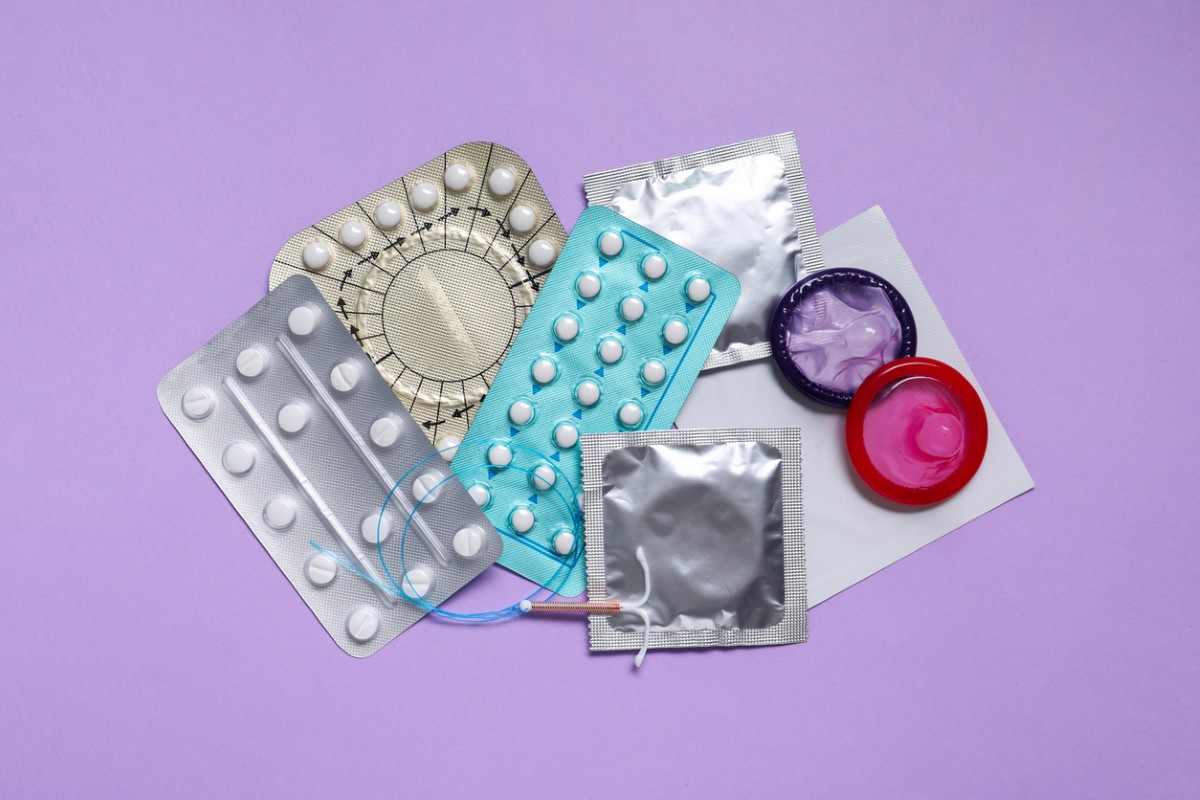
Choosing a birth control method is one of the most personal decisions a woman makes about her health. With so many options available, from daily pills to long-acting devices, it can feel overwhelming to sort through the choices. Every method comes with its own advantages and considerations, and the best option depends on your body, your goals, and your lifestyle.
Why Birth Control Counseling Is Important
Contraception is not just about preventing pregnancy. For many women, birth control plays a role in managing menstrual symptoms, improving cycle regularity, treating conditions like polycystic ovary syndrome (PCOS) or endometriosis, and even reducing acne. Because no single method is perfect for everyone, counseling ensures your provider understands your priorities, whether that is effectiveness, convenience, hormone-free options, or additional health benefits.
A counseling session is an opportunity to review your health history, discuss your family planning goals, and evaluate how birth control can support your overall wellness. If you are ready to compare options with a provider, learn more about birth control and family planning.
The Range of Options
The variety of contraceptive methods can be grouped into three broad categories: hormonal, non-hormonal, and permanent. Each works differently, and each comes with unique considerations.
Hormonal contraception includes pills, patches, injections, vaginal rings, and intrauterine devices (IUDs) that release hormones. These methods are highly effective and often come with added benefits, such as lighter periods or reduced cramps. They may not be suitable for everyone, though, especially women with certain health conditions like migraines with aura or uncontrolled high blood pressure. A birth control comparison chart can help visualize how different methods stack up on effectiveness, side effects, cost, and frequency of use.
Non-hormonal contraception provides alternatives for women who cannot or prefer not to use hormones. The copper IUD is the most effective long-term non-hormonal option. Barrier methods like condoms also fit into this category, and they carry the added benefit of protecting against sexually transmitted infections. If STI prevention is part of your plan, it can help to review common STI infections and how they are tested and treated. Fertility awareness methods fall here as well, though they require close daily monitoring and discipline to be effective.
Permanent methods such as tubal ligation, or vasectomy for male partners, are considered irreversible. These are best for women or couples who are certain their families are complete.
Factors That Influence Your Choice
The right method depends on many personal factors. For some women, ease of use is the top priority. A daily pill may be inconvenient if remembering it feels stressful, while a long-acting device like an IUD requires no daily action. Others may want the flexibility of a short-term option if they plan to become pregnant in the near future.
Your overall health also matters. Conditions such as high blood pressure, clotting disorders, or migraines may limit which hormonal methods are safe. On the other hand, if you struggle with heavy bleeding or painful periods, a hormonal IUD may bring significant relief while also providing contraception.
Another factor is whether you want your birth control to address additional concerns. Some women use hormonal contraception to regulate cycles, protect bone health, or manage acne. Others want a hormone-free choice that avoids side effects. Talking through your needs with your provider ensures these details are taken into account.