When we think about women’s health, we often focus on reproductive care, menstrual cycles, and hormonal balance. But there’s another area that deserves just as much attention: bone health. Strong bones are essential for mobility, independence, and long-term wellness, especially as we age. Yet, millions of women are affected by bone loss each year, often without realizing it until a fracture occurs.
At Complete Care, we believe bone health is a vital part of whole-body wellness. In this article, we’ll explore why women are more susceptible to osteoporosis, what factors increase the risk, and the steps you can take, at any age, to protect your bones for the future.
Understanding Osteoporosis
Osteoporosis is a condition that weakens bones, making them fragile and more likely to break. It develops slowly over time and is often called a “silent disease” because most people don’t know they have it until they suffer a fracture.
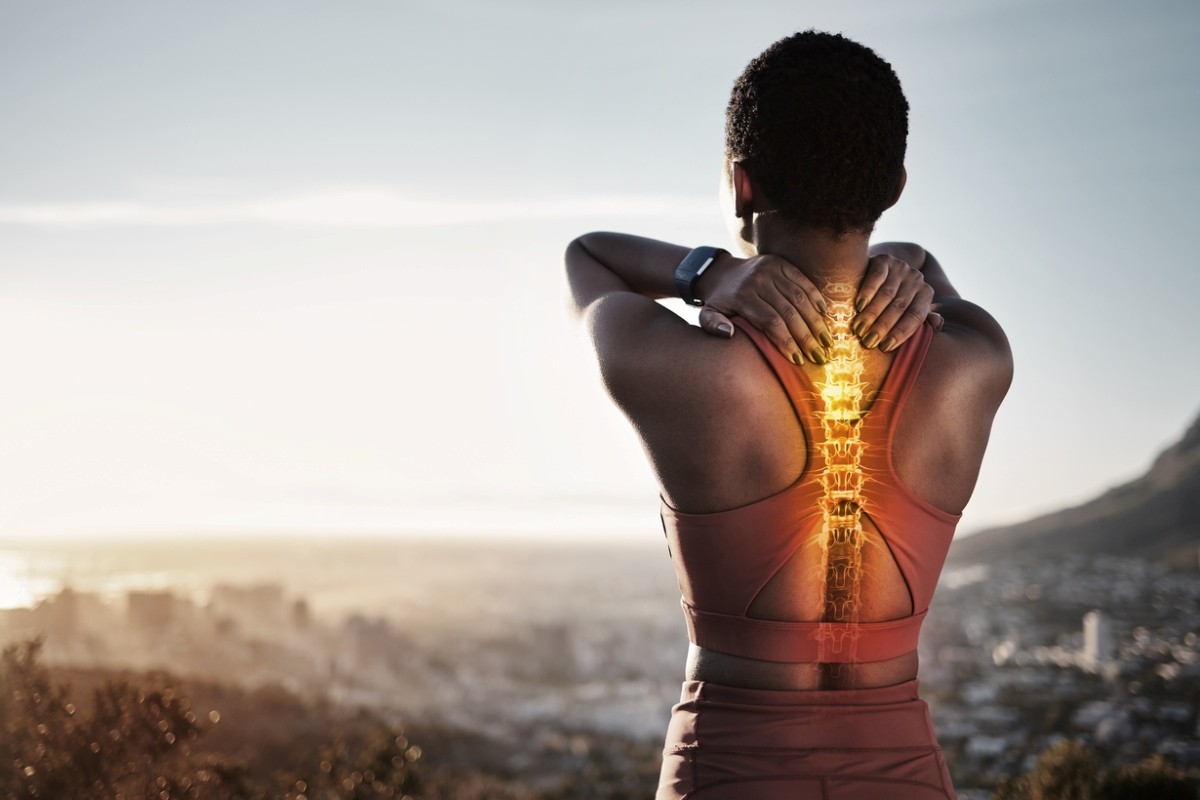
The word osteoporosis literally means “porous bone.” In healthy bones, the tissue is dense and strong. But in someone with osteoporosis, the structure becomes thin and brittle. The most common fracture sites include the spine, hips, and wrists.
Why Are Women at Higher Risk?
Several biological and hormonal factors make women more vulnerable to bone loss than men:
- Lower Peak Bone Mass
Women naturally have smaller, lighter bones than men, meaning they start with a lower reserve.
- Menopause and Estrogen Loss
Estrogen helps protect bone density. When estrogen levels drop during menopause, bone loss can accelerate rapidly, especially in the first 5–10 years after menopause.
- Pregnancy and Breastfeeding
While both are natural parts of life, pregnancy and breastfeeding can temporarily affect calcium levels and bone density.
- Longevity
Women tend to live longer than men, which means more years at risk for age-related bone loss.
These risk factors are part of why bone health must be an ongoing focus throughout a woman’s life.