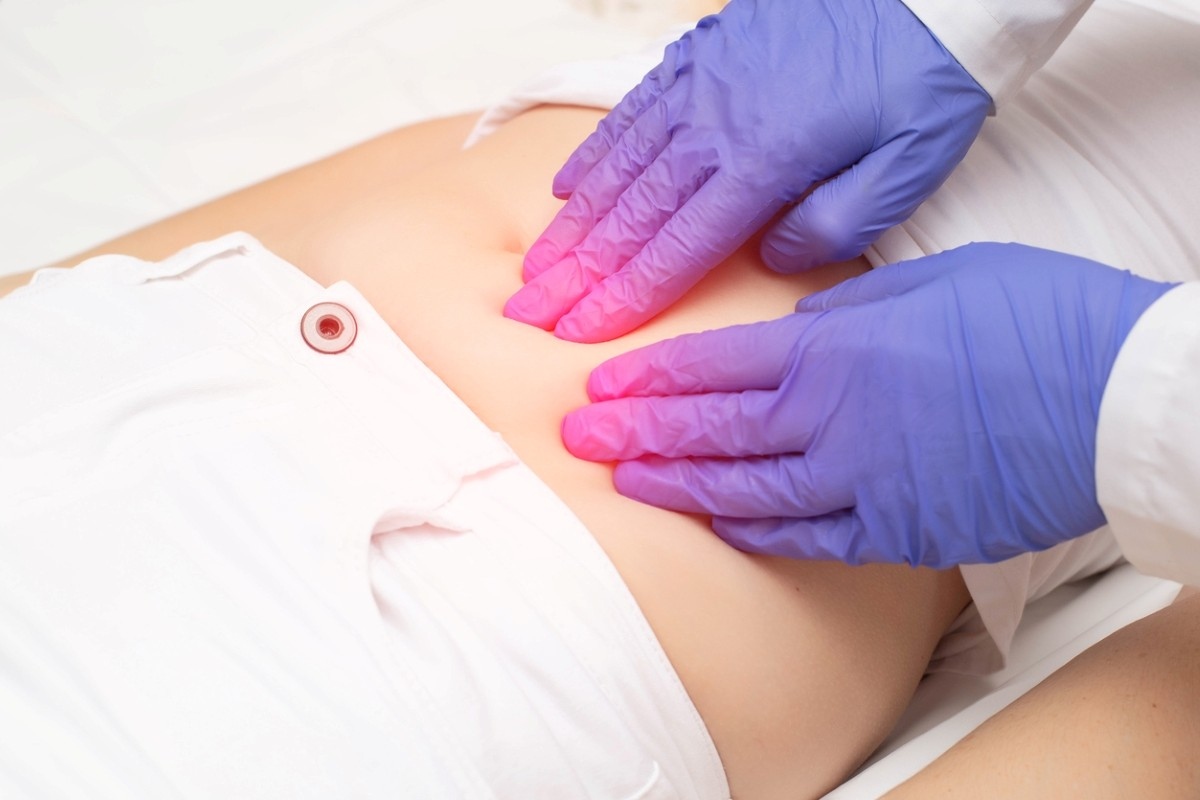
If you’ve been told you have fibroids, you’re not alone. Uterine fibroids are one of the most common conditions affecting women during their reproductive years. In fact, it’s estimated that up to 70% of women will develop fibroids by the time they reach menopause.
Fibroids can range from completely unnoticeable to severely disruptive. At Complete Care, we believe in educating our patients so they feel empowered, not overwhelmed. This guide takes a closer look at what fibroids are, why they develop, and how they can be managed with the right care and support.
What Are Fibroids?
Uterine fibroids are noncancerous growths that develop in or on the uterus. They are made of muscle and connective tissue and can vary in size, from as small as a seed to as large as a grapefruit.
Fibroids are also called leiomyomas or myomas, and while they are benign, they can cause a wide range of symptoms depending on their size, number, and location.
Fibroids can form in different parts of the uterus:
- Intramural fibroids grow within the muscular wall of the uterus.
- Submucosal fibroids protrude into the uterine cavity.
- Subserosal fibroids grow on the outer wall of the uterus.
- Pedunculated fibroids are attached to the uterus by a stalk.
What Causes Fibroids?
The exact cause of fibroids isn’t fully understood, but several factors seem to contribute:
- Hormones – Estrogen and progesterone, the hormones that regulate your menstrual cycle, appear to play a major role in fibroid development. Fibroids tend to grow during times of hormonal fluctuation, such as pregnancy, and often shrink after menopause.
- Genetics – Family history matters. If your mother or sister had fibroids, your chances of developing them are higher.
- Race and Ethnicity – Research shows that fibroids are more common, develop earlier, and may be more severe in Black women compared to women of other racial and ethnic backgrounds. Complete Care is committed to equitable, patient-centered treatment that supports your full range of options.
- Lifestyle and Health Factors – Obesity, a diet high in red meat, alcohol consumption, and lack of vitamin D may also increase fibroid risk. On the other hand, regular exercise and a diet rich in fruits and vegetables may offer some protection.