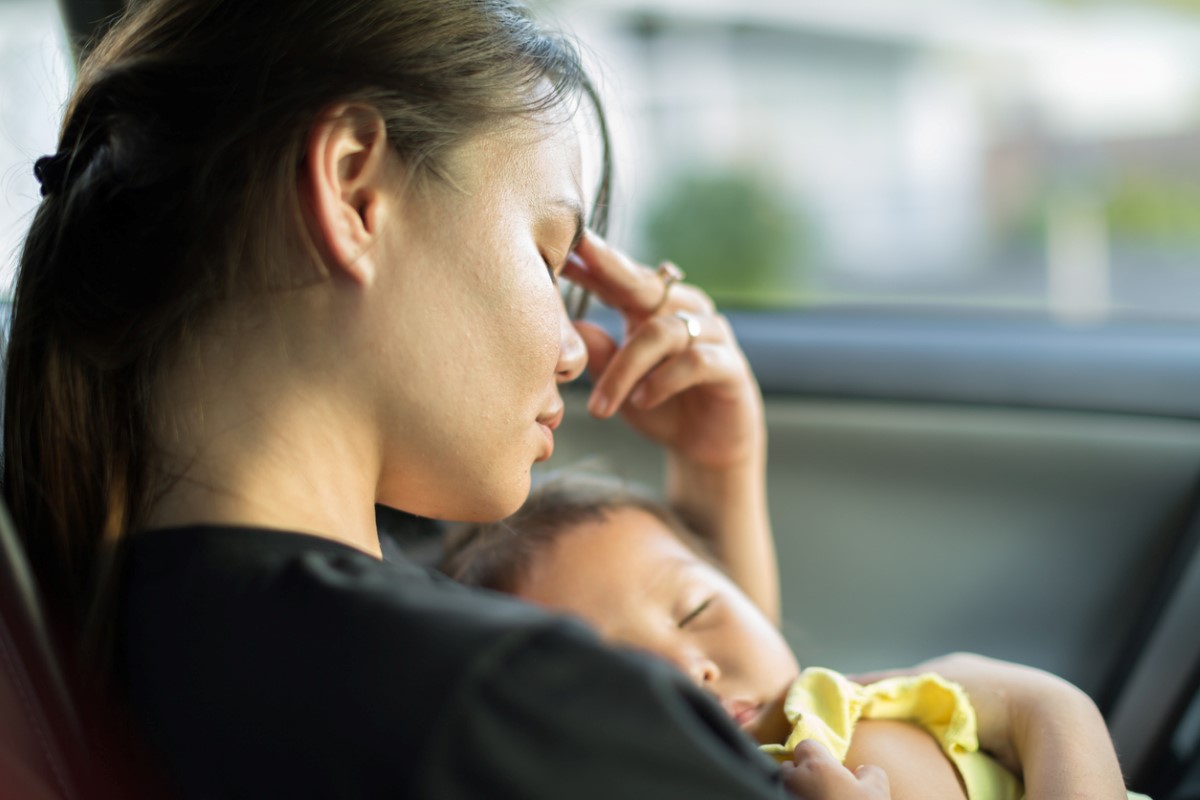
Welcoming a new baby is often described as one of the happiest moments in a woman’s life. However, the postpartum period also brings significant physical, emotional, and lifestyle changes that can feel overwhelming. Many new mothers experience a rollercoaster of emotions—joy, anxiety, fatigue, and sadness—as they adjust to motherhood. While some mood changes are normal, a deeper, more persistent sense of sadness or despair could indicate postpartum depression (PPD). At The OB/GYN Center, understanding the symptoms of PPD, differentiating it from the common “baby blues,” and seeking timely treatment is essential to support new mothers and their families.
Understanding the Baby Blues vs. Postpartum Depression
Up to 80% of new mothers experience the “baby blues” in the first two weeks following delivery. This temporary condition is primarily caused by hormonal fluctuations, combined with the stress and sleep deprivation that come with caring for a newborn. Symptoms of the baby blues can include mood swings, tearfulness without a clear reason, irritability or anxiety, feeling overwhelmed, and fatigue or trouble sleeping. The baby blues are relatively mild and typically resolve on their own within a week or two. The key difference between the baby blues and postpartum depression lies in the severity and duration of symptoms. Unlike the baby blues, postpartum depression is a more serious mood disorder that can interfere with a mother’s ability to care for herself, her baby, and her family.
Postpartum depression affects approximately 1 in 7 mothers, but its true prevalence may be higher due to underreporting or misdiagnosis. Symptoms of postpartum depression persist longer, often developing within the first few weeks after delivery but sometimes appearing months later. If these feelings intensify or fail to improve, it is critical to seek support and treatment.
Symptoms of Postpartum Depression
Postpartum depression encompasses a wide range of emotional, physical, and behavioral symptoms that can vary in intensity. While every mother’s experience is unique, common signs of PPD include persistent feelings of sadness, hopelessness, or emptiness. Severe mood swings or irritability, frequent crying or feeling tearful for no clear reason, and a loss of interest or pleasure in activities once enjoyed are typical emotional symptoms. Overwhelming feelings of guilt, worthlessness, or inadequacy can also indicate PPD.
Behaviorally, postpartum depression may lead to withdrawing from family, friends, or social activities. Difficulty bonding with the baby or feeling emotionally detached, neglecting personal care such as eating, showering, or resting, and trouble making decisions or focusing on everyday tasks are common signs. Intrusive thoughts, such as fears of harming the baby or oneself, can escalate the severity of the condition.
Physical symptoms of PPD include fatigue or lack of energy despite adequate rest, sleep disturbances like insomnia or excessive sleeping, and changes in appetite, either eating too little or overeating. Unexplained physical symptoms such as headaches, stomach aches, or muscle pain can also be manifestations of postpartum depression. For some women, postpartum depression can escalate into a more severe condition called postpartum psychosis, which requires immediate medical intervention. Symptoms of postpartum psychosis include hallucinations, delusions, confusion, and thoughts of harming oneself or the baby. While rare, this condition is a medical emergency and must be addressed promptly.