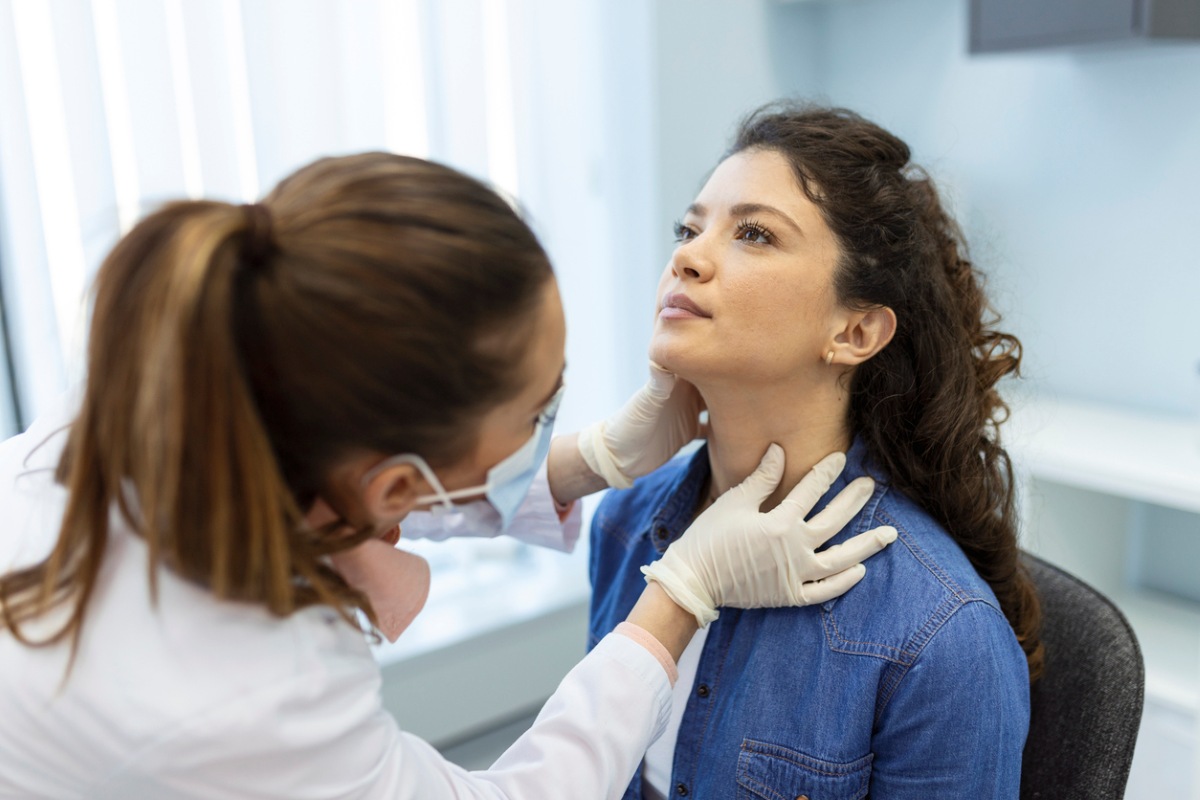
Thyroid health plays a critical role in women’s overall well-being, affecting metabolism, energy levels, fertility, and mood. At each stage of life, the thyroid gland’s function can change, and being proactive about thyroid health can help prevent complications and improve quality of life. Understanding the signs, risks, and management strategies for thyroid health at different ages is key to maintaining long-term wellness.
Adolescence and Young Adulthood
During adolescence, the thyroid supports growth, metabolism, and hormone regulation. While thyroid disorders are less common at this stage, conditions like hypothyroidism and hyperthyroidism can occur. Signs of thyroid dysfunction in teens and young adults include:
- Hypothyroidism (Underactive Thyroid): Fatigue, weight gain, depression, and menstrual irregularities.
- Hyperthyroidism (Overactive Thyroid): Unintentional weight loss, anxiety, rapid heart rate, and excessive sweating.
Since the thyroid is crucial for development, early detection is important. Women with a family history of thyroid disorders should consider screening if they experience symptoms.
Reproductive Years
For women in their 20s to 40s, thyroid health is directly linked to menstrual cycles, fertility, and pregnancy outcomes. Thyroid dysfunction can disrupt ovulation and increase the risk of pregnancy complications. Women trying to conceive or who are pregnant should monitor thyroid function closely, as untreated hypothyroidism can lead to:
- Infertility or difficulty conceiving
- Increased risk of miscarriage
- Preterm birth and developmental issues in the baby
Pregnant women with thyroid conditions require specialized care and medication adjustments to maintain proper hormone balance for both mother and baby.
Perimenopause and Menopause
As women approach menopause, distinguishing between thyroid issues and menopausal symptoms can be challenging due to overlapping signs such as:
- Mood swings
- Fatigue and brain fog
- Weight fluctuations
- Irregular periods
After menopause, thyroid dysfunction becomes more common, affecting up to 20% of women over 60. Regular thyroid screenings during this time help in early diagnosis and treatment.